A Second Spring?
Posted on : July 16, 2017Author : AGA Admin
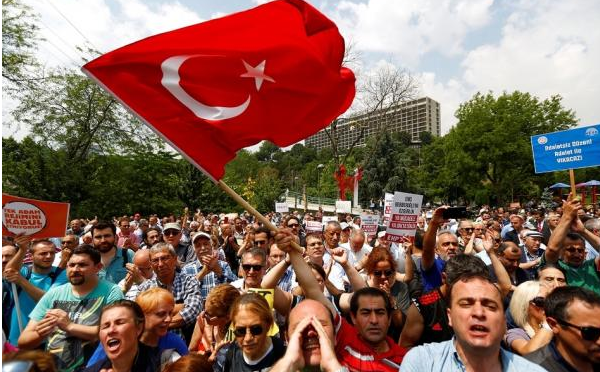
Much like Gezi, that was essentially a spontaneous gathering challenging state control of public and private space, the 450 kilometer ‘Justice March’ from Ankara to Istanbul mobilized people from different backgrounds and political affiliations. Led by a quest for ‘Justice’, its aim was to infuse a sense of confidence in the opposition rather than anticipate a halt to the slide to authoritarianism. In Turkey, the post Gezi years have seen indiscriminate nationwide arrests particularly since the failed June 2016 coup, the removal of 1100 academics for signing a petition to cease armed conflict in Kurdish dominated areas, state control of media houses, intolerance of any voices of dissent and most significantly a future where executive, legislative and judicial power will be concentrated in a single authoritarian hand. While the immediate catalyst for the march was the arrest of Republican Peoples Party (CHP) MP Enis Berberoglu and his indictment for 25 years the basic drivers for the march and its success was a due to a combination of the above mentioned factors. The probability of a transformation of the Turkish political landscape as an upshot of the march reflects expectations that similar mass movements in the region had anticipated. It has been six years since the self- immolation of a street vendor in Tunisia initiated a revolutionary year that saw protestors voice their complaints against inequality, injustice and a lack of dignity. However, apart from Tunisia, a reversal of the democratic trend soon became evident in the other states and the basic issues that had led to the first spurt of protests were never addressed. This raises the fundamental question of what happened to the crowds that led the ‘first spring’ and why did a search for democracy lead to renewed repression, anarchy and devastation across the region? More importantly it seeks to inquire whether a ‘second spring’ is in the offing as Kemal Kilicdaroglu, leader of CHP seemed to imply when he noted “Nobody should think that this march has ended; this march is a beginning” at the concluding rally in Istanbul.
In keeping with this anticipation of a ‘second Gezi’ and a ‘second spring’ and with the intention of re-thinking the ‘first spring’ this Dialogue hopes to begin a discussion on Occupy Movements across Asia underlining their inherently spontaneous nature and the fact that while they tend to address specific issues they reflect a common call for accountability and transparency.
Anita Sengupta




Leave a Reply