“A HOME-AWAY-FROM-HOME FEEL” KOLKATA’S ICONIC PICE HOTEL CULTURE
Posted on : April 16, 2025Author : Shivangi Bose
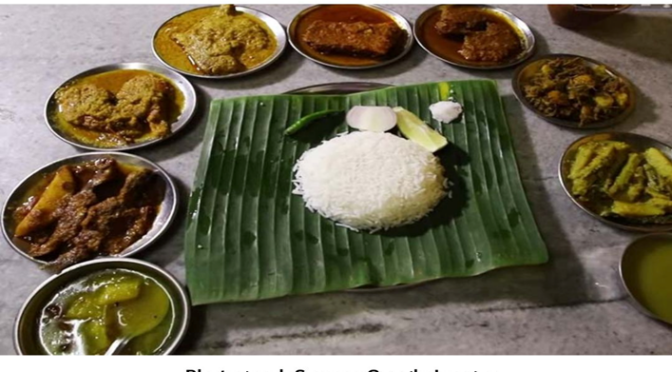
Kolkata is renowned for its rich culinary culture, which includes its notable Indo-Chinese cuisine at Tangra, the nostalgic Cabin Restaurants, and iconic Kolkata-style Biryani and Kathi Rolls. Among this dynamic food culture, however, the small, family-run eateries, mostly surrounding College Street stand out for their deep emotional resonance with the local public, offering a dining experience comparable to a home-cooked meal.These eateries are known as “Pice Hotels.”
Historical Roots
During the 1930s and 1940s in British colonial India, products were priced at “ana” and “pais / pice,” the lowest denominations of Indian money. These eateries provided complete meals at the cost of 1/16th of a rupee[i], earning the colloquial name “Pice Hotels.” They were also known as “Bhaater Hotels” since they served rice-based meals. Pice Hotels in Kolkata, are predominantly located in Central and North Kolkata, which is known as officepara and boipara[ii], where Pice Hotels initially started from kitchens and dining halls of messbaris[iii]. As Kolkata expanded into a bustling city, they evolved to offer affordable, homely meals to anyone seeking the comfort of home-cooked food in the urban setting of Kolkata. While Central and North Kolkata hosted the majority of Pice Hotels, they did not have a complete monopoly, well-known Pice Hotels emerged in South Kolkata as well.
Dining Traditions
Pice hotels were unique in their service. Instead of a fixed menu, they used a blackboard where they wrote the day’s menu and prices in chalk because their menu changed daily. For two consecutive days, one would never get the same dish. This served a dual purpose: first, it ensured that only fresh ingredients bought and cooked on the same day were used, highlighting quality and freshness. Second, the changing of menu everyday is just like one would have at home, never knowing what mother would put on the table or what fish and greens father would get from the market.
The meal was served on kala pata (plantain leaves) instead of plates. This practice is both hygienic and environmentally friendly. Accompanied by condiments like lemon, onions, and a pinch of salt, each item, including the kala pata and condiments, had a price to it. The basic meal, comprising bhaat (rice), dal (lentils), jhuri aloo bhaja (thin potato fritters) and niramish torkari (vegetable curry), was offered for 1/16th of a rupee. Other dishes had individual prices to it and had to be ordered seperately. A Bengali comfort meal of bhaat, dal, jhuri aloo bhaja, niramish torkari and macher jhol (fish curry) could be obtained for 1 paisa. Refills of bhaat and dal were provided without any extra charge, allowing unlimited servings.
Pice Hotels had a “communal dinning setup”, where people from different walks of life, like the babus (Bengalis who adopted English manners), municipal workers, policemen, street vendors, Muslim businessmen, young activists, and freedom fighters, all sat together to eat, unlike upscale eateries like Trincas or Peter Cat, which catered exclusively to the elites and the Englishmen. This shared dining approach symbolized “inclusivity”, which is a core value of the Pice Hotels. It means that, anyone regardless of their background or financial status, could enjoy real Bengali food there, The communal dining experience also feels like gathering around a family dinner table, with staff warmly engaging with guests and remembering their preferences.
Role in Kolkata’s Socio-Political History
Pice Hotels goes beyond just their food. They have been involved in various important events that have shaped the socio-political history of Kolkata. During the British rule when public gatherings were banned in open spaces, pice hotels served as hubs for political activism. Freedom fighters like Netaji Subhas Chandra Bose, Chittaranjan Das, and various intellectuals used these eateries as meeting places to strategize for India’s independence from colonial rule. It is worth noting that, at College Street’s Swadhin Bharat Hindu Hotel, a regular spot for Netaji Subhas Bose, the name was modified after India gained independence to honor the freedom fighters by adding “Swadhin” or independence to its original name, Bharat Hindu Hotel. During the devastating Bengal famine of 1943, where millions suffered from hunger, pice hotels offered free khichudi (one pot rice and lentil meal) to alleviate the plight of many starving individuals. Additionally, during the Naxalite movement, these eateries served as hideouts for the Naxals.
The Essence of Bengali Culinary Identity and Philosophy
As mentioned earlier, Pice Hotels initially catered to students and babus from East Bengal, in those messbaris. Therefore, the food served in these Pice Hotels was Bangaal[iv]. Adarsha Hindu Hotel (60-year-old Pice Hotel in Gariahat) specializes in a spicy mangshor jhol (tender lamb curry with potato) reflecting Bangaals’ love for spicy flavours. Food historian Pritha Sen notes that East Bengal, now Bangladesh, is naturally rich in vegetables such as Kochu Shaak (taro leaf) and a diverse range of fish, including the highly esteemed Hilsa and various small fish species. As a result, in Bangaal cuisine, dishes like charchari (a mixed vegetable preparation) are traditionally incomplete without the addition of fish. Adarsha Hindu Hotel includes kucho machher charchari (mixed vegetable with small fish), while Swadhin Bharat Hindu Hotel (60-year-old Pice Hotel in College Street) serves macher matha diye charchari (mixed vegetable with fish head). However, as these messbari kitchens evolved into Pice Hotels and the the distinction between Ghoti and Bangaal cuisines gradually blurred, influenced by the growing number of intermarriages between the two communities, consequently, they began began catering to the collective regional tastes of all Bengalis in Calcutta. Hotel Siddheshwari Ashram (93-year old Pice Hotel in Esplanade) which bridges this culinary divide by offering dishes from both traditions. For instance, it serves both aloo posto (potatoes in a sweet poppy seeds paste) – posto (poppy seeds) – a staple in Ghoti cuisine but rarely used in Bangaal cooking, alongside chital maach muitha (steamed fish balls, simmered in a spicy onion tomato gravy) – chital maach (knife fish) is a exotic fish, commonly associated with East Bengali cuisine.
The working men in Bengali households often prefer macher jhol-bhaat (fish curry with rice) as it provides a satisfying yet easily digestible meal, making it suitable for their daily work routine. Tarun Niketan Hotel (106-year-old Pice Hotel in Rashbehari Avenue), caters to this preference by serving kobhiraji jhol (a light rohu fish curry with seasonal vegetables), ideal for everyday consumption. Similarly, at Adarsha Hindu Hotel, boal jhol ( mild boal fish curry with potato) is favored.
In Bengali homes, using seasonal and locally-sourced ingredients is a long-standing tradition, aligning dishes with specific times of the year. For example, during the monsoon, khichudi paired with fried Hilsa fish, a seasonal delicacy, symbolizes this connection between food and nature. Pice Hotels follow a similar approach. Hotel Siddheshwari Ashram serves aam shol mach (a tangy mango and mustard curry fish), ideal for summers. Meanwhile, Tarun Niketan offers poor bhora kankrol (stuffed bitter gourd) and neem-begun (eggplant with neem leaves) and customers swear by the taste of panta bhaat – maach bhaja (fermented rice and fish fry) at the Mahal Bhater Hotel (107-year old Pice Hotel in College Street) during the same season. During the monsoon, these hotels feature khichudi-ilish (fermented rice with fried hilsa fish) on their menus.
In Bengali cuisine, eggs play a crucial role, especially on Tuesdays, Thursdays, and Saturdays when vegetarian meals are cooked in households. Eggs act as a key protein source, filling the dietary gap in a vegetarian meal. In olden days, chicken, also called rampakhi[v] in Bengali, and its products were taboo in Bengali homes, leading to the avoidance of these items. Hotel Tarun Niketan offers hansher dimer dalna (thick egg curry made with duck eggs), as an alternative. Furthermore, Pice Hotels feature a wide range of typical Bengali vegetarian dishes- shukto (mixed vegetable stew), aloo-potol tarkari (potato and papaya curry) and the like in their menus, catering to this dietary cultural norm.
Bengali cuisine in Kolkata shares a historical connection with Odia thakurs[vi]. In the early 19th century, Odia thakurs migrated to Calcutta and became cooks in Bengali households. According to food historian Pritha Sen, having a Brahmin cook was prestigious and practical, leading to high demand among aristocrats and upper-middle-class Bengali families. Since Bengali Brahmins were not in this profession, the Odia cooks filled that need. The presence of Odia thakurs in Bengali kitchens led to a blending of Odia and Bengali cuisines, creating dishes shared by both cultures. For instance, pakhala (fermented rice with curd seasoned with curry leaves ) transformed into panta-bhaat (plain fermented rice). Jaganmata Bhojanalaya, (120-year-old Pice Hotel in Central Kolkata), is managed by Odia thakurs. They serve specialties like chhanar[vii] kalia and chhanar dalna, catering to budget-conscious customers. Bengalis use tomatoes for tanginess, while Odias prefer yogurt for sourness. Jaganmata Bhojanalaya reflects this diversity in flavours, evident in their Doi Mach (fish curry made with curd) , which incorporates both elements to showcase the depth and complexity of these regional flavours.
There is a Bengali tradition of indulging on holidays. A typical Sunday lunch in a Bengali household features mangshor jhol with gorom gorom bhaat ( steam rice) or basanti- polao[viii]. To cater to this preference, the Young Bengal Hotel (98-year old Pice Hotel in Khidderpore) introduced a two-tier menu: a standard one for weekdays and a special menu offering basanti-pulao on holidays. This sweet rice dish complements the spicy mangshor jhol perfectly, meeting the Bengali demand for a more elaborate meal experience on weekends or holidays.
Challenges and Adaptation: Navigating Economic and Social Changes
Even though, Pice Hotels in Kolkata still maintain their distinctive service elements- the blackboard menus, communal dining setup, and the use of kala-pata, there have been noticeable changes seen in Pice Hotels over time. In the past, there were no extra charges for the kala-pata and condiments, whereas now they are provided without additional cost. Meals that once cost 1 paise now amount to around 200 rupees. Hotel Siddheshwari Ashram now has an AC section, and Tarun Niketan Hotel has diversified its menu by adding biryani. Moreover, some Pice Hotels have started using food delivery platforms and UPI payment options to reach more people, adjusting to the modern trends in the food industry. Adaptation to changing times show that heritage is not always static and can develop in order to be relevant in modern times, creating a balanced mix of tradition and present-day conveniences. While these adaptations may attract new customers, they also bring increased operational costs, which might not be financially sustainable in the long run.
The changing demographics of Kolkata pose a significant challenge for Pice Hotels. The demand for international cuisine and fast-food is increasing as the city emerges diverse and global. Trendy cafes and global fast-Food chains have altered the city’s dining landscape, particularly among the youth, reducing the popularity of old Pice Hotels.
Pice Hotels face competition not just from fast-food chains but also from similar eateries offering traditional Bengali cuisine with diverse options- Oh! Calcutta, 6 Ballygunge Place, KosheKosha, Aheli, and others. However, these places are more expensive compared to Pice Hotels. For instance, a simple veg thali that costs around 120 at a Pice Hotel is be priced about 300 in these restaurants. Despite the higher prices, these establishments draw crowds due to their elegant interior decor, featuring vintage furniture, chandeliers, wall paintings, and a comfortable and stylish ambiance. They serve food in kansa-thala (bronze plates), reminiscent of the dining style in Rajbaris[ix], adding to their aesthetic appeal. While Pice Hotels are known for affordability and a homely atmosphere, these places attract customers with their visually pleasing setups.
All the above mentioned Pice Hotels operate in prime locations where real estate prices are extremely high. Those operating in rented spaces face challenges like increasing rents or potential eviction notices from landlords. Meanwhile, Pice Hotels in self-owned spaces also encounter financial strain due to maintenance costs. Additionally, the encroachment of urbanization poses a threat to their existence. Real estate brokers pressure these establishments by harassing them to sell their properties. The brokers aim to acquire the spaces to demolish or renovate the Pice Hotels into multi-storeyed apartments, malls, or new restaurants.
Pice Hotels have seen a decline in their main customer base—the office and student crowd. This shift occurred as many offices and colleges now provide their own canteens and cafeterias offering a wider variety of meals, reducing the reliance on these traditional eateries. Pritha Ray4 Bardhan, the third-generation owner of Young Bengal Hotel, previously managed three Pice Hotels in the city, but now only Young Bengal Hotel remains operational. This shift highlights the challenge faced by Pice Hotels known for their affordability. Striking a balance between being economical and sustaining their business becomes a constant juggle for survival.
Strategies for Preservation and Promotion
Pice Hotels in Kolkata are quite similar to other traditional eateries in Asia, like Japan’s shokudō and Singapore’s hawker centers, both of which have been an important part of their cultures for generations. Just like Pice Hotels, shokudō in Japan serve simple, homemade meals at low prices, mainly catering to students, office workers, and daily wage earners. These places focus on fresh, local ingredients and maintain authentic cooking methods that have been passed down for years. Similarly, Singapore’s hawker centers, which were officially recognized as UNESCO Intangible Cultural Heritage in 2020, also provide affordable traditional meals and bring people from all walks of life together in shared dining spaces. The main difference, however, is that shokudō and hawker centers receive government support, including financial grants, subsidies, and policies that help protect them from urbanization and modernization pressures. They are considered an important part of the national identity, so efforts are made to preserve them through official policies.
Engaging in local food festivals, such as ‘Khaibaar Paas[x],” offers a promising business opportunity. These festivals attract over 25,000 visitors, providing a platform for Pice Hotels to ensure their survival and showcase their offerings. The Amma Canteens[xi] in Tamil Nadu run under state government project, but Pice Hotels are not part of any official government endeavor. However, they can ask for support from local authorities and adopt a similar operational approach to the Amma Canteens. Food bloggers, researchers, activists, enthusiasts, and even the comman public could use the internet to create a sense of nostalgia as well as interest among the public by providing written content and videos about Pice Hotels. In addition, conducting a “Pice Hotel Heritage Walk” in Kolkata could be a great concept. This tour would take those present through the history and culinary treasures of these iconic restaurants, providing them with a deeper understanding and appreciation for the Pice Hotels.
Pice hotels, tracing their origins back to the colonial era, have been a affordable food support for many arriving in Kolkata seeking work, education, or freedom. These eateries offer a minimalist Bengali plate- a steaming plate of bhaat is served with dal, jhuri aloo bhaja and niramish tarkari which is followed by fish or meat and finally a sweet chutney and any Bengali sweet, carrying cultural and emotional value, reflecting the depth of flavours-the play between sweet, sour, spicy, and bitter, found in Bengali homes. Pice Hotels achieve this by consistently preparing traditional Bengali delicacies, using age-old recipes handed down through generations incorporating key elements like panch-phoron (a blend of five spices) and prioritizing cooking methods that highlight seasonal and locally-sourced ingredients, creating a “home away from home” experience, offering nourishment as well as a sense of belonging and comfort.
Despite facing challenges in today’s changing landscape, Pice Hotels remain intrinsically important. As Kolkata evolves, finding innovative ways to preserve their authenticity while meeting contemporary demands becomes crucial. Their legacy reminds that genuine, heartfelt experiences often come from the most simplest places, making their preservation a valuable pursuit.
Shivangi Bose
Intern, Asia in Global Affairs
References
Biswas, Srijita. 2024. “The Pice Hotels of Kolkata.” *On Eating*. https://www.oneating.in/the-pice-hotels-of-kolkata/.
Kishan, J. 2022. “Pice hotels: A lifeline for Kolkata’s hungry workers.” *BBC Travel*. https://www.bbc.com/travel/article/20210608-the-indian-cafes-that-fed-a-revolution.
Pattanaik, Devdutt. 2021. “The story of Lord Ram and the Rooster.” *Soulveda*. https://www.soulveda.com/guest-contributors/ram-and-the-rooster/.
Ray, Utsa. 2015. *Culinary Culture in Colonial India: A Cosmopolitan Platter and the Middle-Class*.
[i] 1 Rupee = 16 Anna = 64 Pais.[ii] Area occupied by offices and colleges.
[iii] Affordable boarding houses for imigrant students, office workers, artists and writers, and even blue-collar workers.
[iv] Divide in the Bengali culture between the Ghotis, originally from West Bengal, and the Bangals, who trace their lineage from East Bengal.
[v] In a local version of the Ramayana in Odisha, after Ram realizes the golden deer was a demon and returns to his hut to find Sita missing, he encounters a rooster. The rooster informs Ram that Ravana took Sita in the southern direction. In gratitude, Ram offers the rooster a golden crown, but the rooster declines, fearing that people would chase him for the gold. Instead, he requests a skin crown, which Ram provides. This tale emphasizes the rooster’s wisdom in avoiding greed-driven pursuits and opting for a humble gift (Pattanaik, 2021).
[vi] Term for the professional Brahmin cooks from Odisha in Bengali households.
[vii] Bengali/Odia term for cottage cheese which is an Odia invent.
[viii] The name “Young Bengal” was inspired by the radical Young Bengal Movement initiated by Henry Vivian Derozio in the 1830s, aimed at reforming Hindu society.
[ix] Houses of the aristocrats.
[x] ABP Ananda hosts an annual three-day food festival where food enthusiasts indulge in tasting culinary delights from well-known restaurants and food outlets across Bengal.
[xi] Network of subsidized food canteens, initiated by the state government. They provide affordable and nutritious meals to the public, serving a variety of dishes at extremely low prices, particularly benefiting economically disadvantaged people.
The views and opinions expressed in this article are those of the author and do not necessarily reflect the official policy or position of Asia in Global Affairs (AGA).


Leave a Reply