Escalating Displacement and Humanitarian Needs in the Democratic Republic of Congo (DRC): A Deep Dive into Eastern DRC’s Acute Crisis
Posted on : April 25, 2026Author : Nabina Kansa Banik
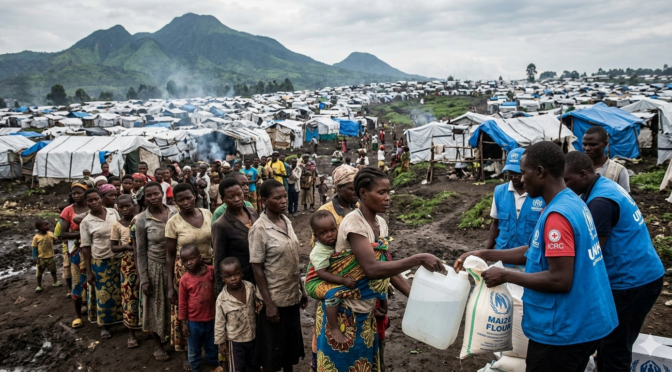
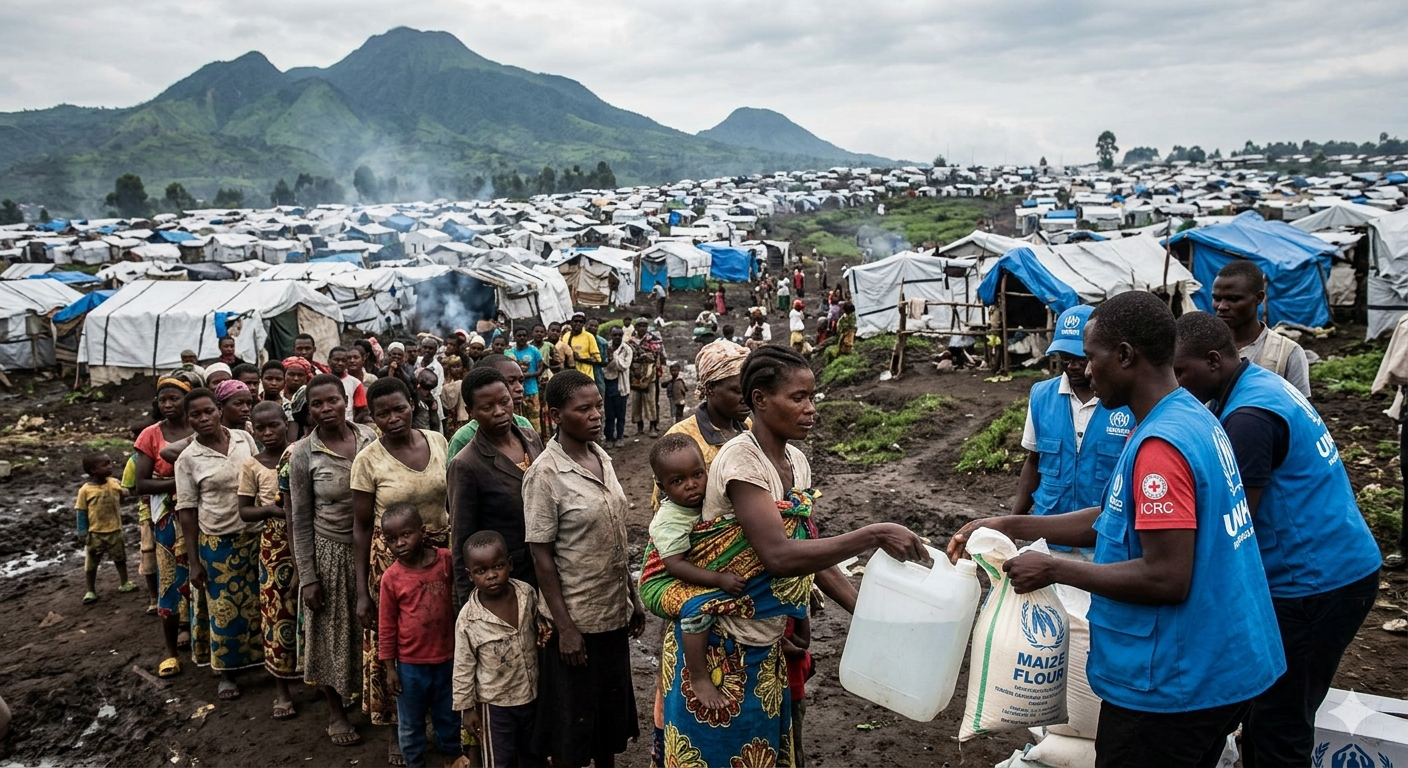
Eastern DRC, particularly North and South Kivu provinces, remains one of the world’s most severe and protracted humanitarian emergencies in 2026. Renewed fighting involving the Rwanda-backed M23 rebel group (also known as AFC/M23) against Congolese Armed Forces (FARDC) and allied militias has triggered massive new displacements, despite partial peace agreements brokered with international mediation (such as the U.S.-facilitated Washington accord). This violence intersects with widespread resource exploitationespecially of critical minerals like coltan and cobaltand recurring cholera outbreaks, creating a perfect storm of humanitarian collapse. Millions are newly displaced, with severe hunger, protection risks, and overwhelmed host communities. The crisis exemplifies how mineral-driven geopolitics undermines humanitarian efforts, exposing deep flaws in the global system’s ability to respond to conflict-fuelled disasters.
Current Context and Drivers of the Crisis
As of early 2026, M23 forces have consolidated control over key urban centers, including Goma (captured January 27, 2025) and Bukavu (February 2025), displacing hundreds of thousands in the process. Fighting persists in areas like Rutshuru, Masisi, Walikale, and Uvira despite diplomatic progress, with recurrent clashes involving FARDC, Wazalendo militias, and other armed groups. Over 100-armed groups operate in the east, but M23’s advances have been the primary driver of recent escalation.
Resource exploitation is a central driver. Eastern DRC is rich in coltan (Rubaya mine supplies ~15% of global supply) and other minerals critical for electronics and green technologies. M23 controls strategic mining areas, facilitating extraction and revenue flows that sustain operationsoften with alleged Rwandan support, which Kigali denies. This “mineral curse” fuels the conflict, as foreign interests (U.S., China, and others) compete for access, complicating ceasefires and humanitarian access.
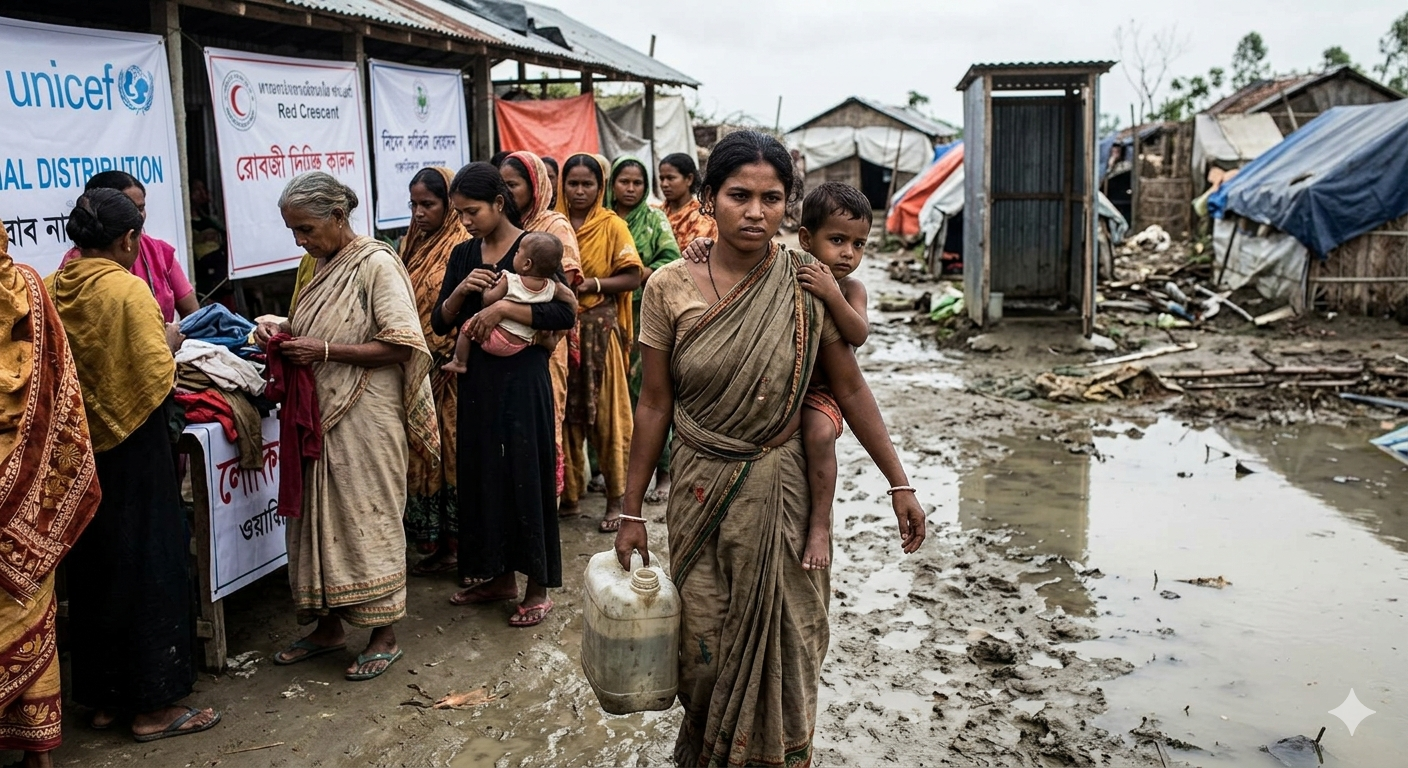
Health crises compound the chaos. A major cholera epidemic rages across 13 provinces (including North and South Kivu hotspots), with over 12,000 cases and hundreds of deaths reported in early 2026 alone in conflict zones. Displacement camps, poor sanitation, and disrupted water systemsexacerbated by fightingdrive transmission. Outbreaks like this highlight how conflict shatters basic services.
Scale of Displacement and Overarching Humanitarian Needs
Internal displacement stands at approximately 5.7–6.4 million people nationwide, with the vast majority (over 96% due to armed violence) concentrated in eastern provinces. In 2025 alone, fighting displaced hundreds of thousands more, pushing totals toward 7 million by some estimates. Cross-border flight has surged, with over 122,500 refugees to Uganda, Burundi, and elsewhere by late 2025. Host communities are overwhelmed, leading to premature or forced returns into unsafe areas.
Humanitarian needs are acute: 14.9 million people require assistance in 2026 (per the UN’s Humanitarian Needs and Response Plan), with 7.3 million targeted for aid amid severe funding shortfalls ($1.4 billion requested). Priorities include food insecurity (affecting millions), protection, health, and shelter. Access remains restricted, with 37+ incidents against humanitarian workers reported in eastern DRC in January 2026 alone.
Social and Humanitarian Impacts: A Focus on Vulnerable Groups
The crisis’s social toll is devastating, eroding families, communities, and futures while amplifying gender and age-specific vulnerabilities.
Impacts on Children (Recruitment, School Loss, and Trauma): Children face systematic exploitation. Armed groups, including M23, have forcibly recruited thousandsUN reports document over 2,300 cases in 2024–2025, with M23 abducting boys and girls from fields, schools, and camps for combat, labour, or sexual exploitation. Some as young as 10–12 are targeted; former recruits describe beatings, minimal food, and execution risks. In Ituri alone, ~13,000 children remained in armed groups in 2025 despite some releases.
Education has collapsed: Thousands of schools have closed, been vandalized, or occupied as shelters/displacement sites. In North Kivu, nearly 500,000 children lost access; South Kivu saw similar figures. This perpetuates intergenerational harmlost schooling leads to poverty, vulnerability to further recruitment, and trauma. Communities sometimes pressure children to join groups for “protection,” fracturing social norms.
Impacts on Women and Girls (Sexual Violence): Conflict-related sexual violence has surged dramatically, used as a deliberate weapon of war by M23, FARDC, and other actors. Human Rights Watch and partners documented hundreds of cases in late 2025early 2026, including gang rapes, abductions, and tortureoften in homes, camps, or during flight. Girls (aged 12–17) and displaced women are disproportionately affected; UNICEF notes a sharp rise, with conflict zones accounting for most incidents. Support services have collapsed due to aid cuts and access barriers, leaving survivors without medical, psychosocial, or legal aid. Stigma and impunity worsen long-term trauma, family breakdown, and economic marginalization.
Breakdown of Social Cohesion: Repeated displacementoften multiple times per familyshatters community bonds. M23 has forcibly evicted tens of thousands from camps around Goma (e.g., 72-hour ultimatums) and conducted mass transfers, targeting suspected rivals. Human rights defenders, journalists, and civilians face killings, torture, and threats. Ethnic tensions, looting, extortion, and loss of livelihoods erode trust. Host communities’ strain under resource competition, while forced returns into contested areas deepen divisions. This creates a cycle of instability, where social fabric frays and harmful coping strategies (e.g., child marriage, transactional sex) rise.
Mineral-Driven Geopolitics and Undermining of Humanitarian Efforts
At its core, this is a “global system” failure. Critical minerals essential for global supply chains (electronics, EVs, renewables) incentivize external interference. M23’s control of mines like Rubaya links directly to Rwanda’s alleged role and broader U.S.-China rivalry for “de-risked” supplies. Peace deals falter because they prioritize mineral access over civilian protectione.g., U.S. mediation ties security pacts to mining deals, while fighting blocks aid corridors. Humanitarian actors face restricted access, funding gaps (response plans severely underfunded), and attacks, despite appeals for $1.4 billion in 2026. The result: aid reaches only a fraction of needs, perpetuating famine risks, disease, and displacement. This exposes multilateralism’s retreat amid geopolitical competition.
Conclusion and Implications for the Global System
Eastern DRC’s crisismillions displaced, children robbed of childhoods, women bearing unimaginable violence, and communities fracturedillustrates how localized conflict, fuelled by resource geopolitics, overwhelms the international humanitarian architecture. Partial peace efforts have not stemmed the tide, and shrinking aid budgets (amid global donor fatigue) leave gaps that armed actor’s exploit. For your assignment, this topic allows strong analysis of social/humanitarian dimensions alongside systemic critiques: propose reforms like stronger mineral traceability, enforced accountability for armed groups, and ring-fenced humanitarian funding independent of geopolitics.
References:
Human Rights Watch. DR Congo: Armed Groups Commit Atrocities in the East. New York: Human Rights Watch, 2025–2026.
International Crisis Group. Conflict in Eastern Congo: The M23 Resurgence. Brussels: International Crisis Group, 2025.
United Nations Office for the Coordination of Humanitarian Affairs (OCHA). Democratic Republic of the Congo: Humanitarian Needs and Response Plan 2026. New York: United Nations, 2026.
United Nations Children’s Fund (UNICEF). Children in Armed Conflict: Democratic Republic of Congo. New York: UNICEF, 2025.
World Bank. Democratic Republic of Congo Economic Update: Resource Wealth and Fragility. Washington, D.C.: World Bank, 2024.
Nabina Kansa Banik
Intern, Asia in Global Affairs
The views and opinions expressed in this article are those of the author and do not necessarily reflect the official policy or position of Asia in Global Affairs. The review is intended for academic and informational purposes only. It is not an endorsement of any particular viewpoint, nor is it intended to malign any individual, group, organization, company, or government