Escalating Displacement and Humanitarian Needs in the Democratic Republic of Congo (DRC): A Deep Dive into Eastern DRC’s Acute Crisis

Posted on : April 25, 2026
Author : Nabina Kansa Banik

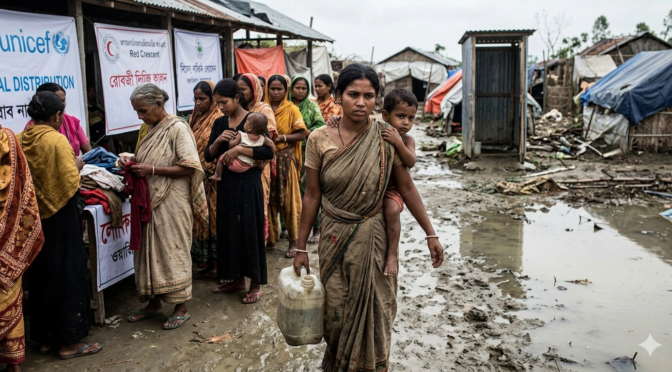
Eastern DRC, particularly North and South Kivu provinces, remains one of the world’s most severe and protracted humanitarian emergencies in 2026. Renewed fighting involving the Rwanda-backed M23 rebel group (also known as AFC/M23) against Congolese Armed Forces (FARDC) and allied militias has triggered massive new displacements, despite partial peace agreements brokered with international mediation (such as the U.S.-facilitated Washington accord). This violence intersects with widespread resource exploitationespecially of critical minerals like coltan and cobaltand recurring cholera outbreaks, creating a perfect storm of humanitarian collapse. Millions are newly displaced, with severe hunger, protection risks, and overwhelmed host communities. The crisis exemplifies how mineral-driven geopolitics undermines humanitarian efforts, exposing deep flaws in the global system’s ability to respond to conflict-fuelled disasters.

Current Context and Drivers of the Crisis

As of early 2026, M23 forces have consolidated control over key urban centers, including Goma (captured January 27, 2025) and Bukavu (February 2025), displacing hundreds of thousands in the process. Fighting persists in areas like Rutshuru, Masisi, Walikale, and Uvira despite diplomatic progress, with recurrent clashes involving FARDC, Wazalendo militias, and other armed groups. Over 100-armed groups operate in the east, but M23’s advances have been the primary driver of recent escalation.

Resource exploitation is a central driver. Eastern DRC is rich in coltan (Rubaya mine supplies ~15% of global supply) and other minerals critical for electronics and green technologies. M23 controls strategic mining areas, facilitating extraction and revenue flows that sustain operationsoften with alleged Rwandan support, which Kigali denies. This “mineral curse” fuels the conflict, as foreign interests (U.S., China, and others) compete for access, complicating ceasefires and humanitarian access.

Health crises compound the chaos. A major cholera epidemic rages across 13 provinces (including North and South Kivu hotspots), with over 12,000 cases and hundreds of deaths reported in early 2026 alone in conflict zones. Displacement camps, poor sanitation, and disrupted water systemsexacerbated by fightingdrive transmission. Outbreaks like this highlight how conflict shatters basic services.

Scale of Displacement and Overarching Humanitarian Needs

Internal displacement stands at approximately 5.7–6.4 million people nationwide, with the vast majority (over 96% due to armed violence) concentrated in eastern provinces. In 2025 alone, fighting displaced hundreds of thousands more, pushing totals toward 7 million by some estimates. Cross-border flight has surged, with over 122,500 refugees to Uganda, Burundi, and elsewhere by late 2025. Host communities are overwhelmed, leading to premature or forced returns into unsafe areas.

Humanitarian needs are acute: 14.9 million people require assistance in 2026 (per the UN’s Humanitarian Needs and Response Plan), with 7.3 million targeted for aid amid severe funding shortfalls ($1.4 billion requested). Priorities include food insecurity (affecting millions), protection, health, and shelter. Access remains restricted, with 37+ incidents against humanitarian workers reported in eastern DRC in January 2026 alone.

Social and Humanitarian Impacts: A Focus on Vulnerable Groups

The crisis’s social toll is devastating, eroding families, communities, and futures while amplifying gender and age-specific vulnerabilities.

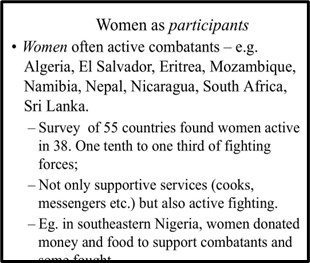
Impacts on Children (Recruitment, School Loss, and Trauma): Children face systematic exploitation. Armed groups, including M23, have forcibly recruited thousandsUN reports document over 2,300 cases in 2024–2025, with M23 abducting boys and girls from fields, schools, and camps for combat, labour, or sexual exploitation. Some as young as 10–12 are targeted; former recruits describe beatings, minimal food, and execution risks. In Ituri alone, ~13,000 children remained in armed groups in 2025 despite some releases.

Education has collapsed: Thousands of schools have closed, been vandalized, or occupied as shelters/displacement sites. In North Kivu, nearly 500,000 children lost access; South Kivu saw similar figures. This perpetuates intergenerational harmlost schooling leads to poverty, vulnerability to further recruitment, and trauma. Communities sometimes pressure children to join groups for “protection,” fracturing social norms.

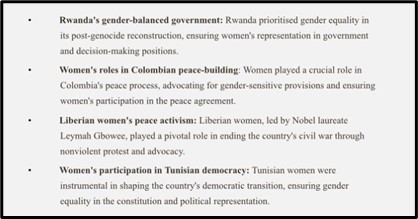
Impacts on Women and Girls (Sexual Violence): Conflict-related sexual violence has surged dramatically, used as a deliberate weapon of war by M23, FARDC, and other actors. Human Rights Watch and partners documented hundreds of cases in late 2025early 2026, including gang rapes, abductions, and tortureoften in homes, camps, or during flight. Girls (aged 12–17) and displaced women are disproportionately affected; UNICEF notes a sharp rise, with conflict zones accounting for most incidents. Support services have collapsed due to aid cuts and access barriers, leaving survivors without medical, psychosocial, or legal aid. Stigma and impunity worsen long-term trauma, family breakdown, and economic marginalization.

Breakdown of Social Cohesion: Repeated displacementoften multiple times per familyshatters community bonds. M23 has forcibly evicted tens of thousands from camps around Goma (e.g., 72-hour ultimatums) and conducted mass transfers, targeting suspected rivals. Human rights defenders, journalists, and civilians face killings, torture, and threats. Ethnic tensions, looting, extortion, and loss of livelihoods erode trust. Host communities’ strain under resource competition, while forced returns into contested areas deepen divisions. This creates a cycle of instability, where social fabric frays and harmful coping strategies (e.g., child marriage, transactional sex) rise.

Mineral-Driven Geopolitics and Undermining of Humanitarian Efforts

At its core, this is a “global system” failure. Critical minerals essential for global supply chains (electronics, EVs, renewables) incentivize external interference. M23’s control of mines like Rubaya links directly to Rwanda’s alleged role and broader U.S.-China rivalry for “de-risked” supplies. Peace deals falter because they prioritize mineral access over civilian protectione.g., U.S. mediation ties security pacts to mining deals, while fighting blocks aid corridors. Humanitarian actors face restricted access, funding gaps (response plans severely underfunded), and attacks, despite appeals for $1.4 billion in 2026. The result: aid reaches only a fraction of needs, perpetuating famine risks, disease, and displacement. This exposes multilateralism’s retreat amid geopolitical competition.

Conclusion and Implications for the Global System

Eastern DRC’s crisismillions displaced, children robbed of childhoods, women bearing unimaginable violence, and communities fracturedillustrates how localized conflict, fuelled by resource geopolitics, overwhelms the international humanitarian architecture. Partial peace efforts have not stemmed the tide, and shrinking aid budgets (amid global donor fatigue) leave gaps that armed actor’s exploit. For your assignment, this topic allows strong analysis of social/humanitarian dimensions alongside systemic critiques: propose reforms like stronger mineral traceability, enforced accountability for armed groups, and ring-fenced humanitarian funding independent of geopolitics.


References:

Human Rights Watch. DR Congo: Armed Groups Commit Atrocities in the East. New York: Human Rights Watch, 2025–2026.

International Crisis Group. Conflict in Eastern Congo: The M23 Resurgence. Brussels: International Crisis Group, 2025.

United Nations Office for the Coordination of Humanitarian Affairs (OCHA). Democratic Republic of the Congo: Humanitarian Needs and Response Plan 2026. New York: United Nations, 2026.

United Nations Children’s Fund (UNICEF). Children in Armed Conflict: Democratic Republic of Congo. New York: UNICEF, 2025.

World Bank. Democratic Republic of Congo Economic Update: Resource Wealth and Fragility. Washington, D.C.: World Bank, 2024.


Nabina Kansa Banik

Intern, Asia in Global Affairs


The views and opinions expressed in this article are those of the author and do not necessarily reflect the official policy or position of Asia in Global Affairs. The review is intended for academic and informational purposes only. It is not an endorsement of any particular viewpoint, nor is it intended to malign any individual, group, organization, company, or government


/ Escalating Displacement and Humanitarian Needs in the Democratic Republic of Congo (DRC): A Deep Dive into Eastern DRC’s Acute Crisis

Gender and Disaster: How Asian Women Bear a Disproportionate Burden in Natural Calamities

Posted on : April 23, 2026
Author : Koushiki Sarkar

Natural disasters do not discriminate, but the societies they strike invariably do. Across Asia, floods, earthquakes, and cyclones claim millions of lives, displace entire communities, and erode decades of development progress each year. Yet the burden of these disasters falls with striking unevenness upon women. From the low-lying coastlines of Bangladesh to the seismic zones of Nepal and the typhoon corridors of the Philippines, women consistently suffer higher mortality rates, deeper economic losses, and more protracted recovery timelines than their male counterparts. This disparity is not rooted in biological vulnerability. It is, rather, the product of deeply entrenched gender inequalities that disasters expose and dramatically intensify, transforming ostensibly natural events into profoundly gendered catastrophes.

The Mortality Gap

The differential in disaster mortality constitutes perhaps the most stark quantitative measure of this inequality. Research conducted in the aftermath of the 2004 Indian Ocean Tsunami, one of the deadliest natural disasters in recorded history  revealed that in several affected communities across Sri Lanka, India, and Indonesia, women accounted for approximately 70 to 80 percent of fatalities. A comparable pattern was documented following Cyclone Gorky, which struck Bangladesh in 1991, killing an estimated 140,000 people, of whom roughly 90 percent were women. These figures are not coincidental. They are the direct consequence of social norms that govern mobility, physical training, and access to public information. In many South and Southeast Asian communities, women are far less likely to know how to swim, are culturally discouraged from climbing trees or scaling structures during floods, and are frequently the last to receive evacuation warnings, which are often disseminated through male-dominated public networks. When disaster strikes without warning in the early morning hours, women who are confined to domestic spaces and encumbered by the responsibility of gathering children and elderly relatives are systematically disadvantaged in their capacity to flee.

Structural Vulnerabilities and Pre-Existing Inequalities

To understand why women are disproportionately affected by Asian disasters, one must first understand the structural inequalities that precede them. Gender disparities in land ownership, education, income, and political representation do not emerge at the moment of a flood or earthquake, they are pre-existing conditions that disasters ruthlessly exploit. In rural Bangladesh and coastal Odisha, the majority of women do not hold legal title to land or property. This means that when floods submerge farmland or cyclones destroy homes, women lack the formal documentation necessary to access government relief, insurance claims, or reconstruction loans. Men, as the primary property holders, are positioned as the default recipients of institutional aid, while women must negotiate access through male relatives, a negotiation that is rarely conducted on equal terms.

Educational disparities compound this vulnerability. Lower female literacy rates across disaster-prone regions of South Asia and Southeast Asia limit women’s access to printed emergency advisories, government relief application forms, and information disseminated through digital platforms. The gender digital divide, which remains pronounced across rural Asia, further marginalises women during and after disasters, as early warning systems increasingly migrate to mobile and internet-based channels. A woman who cannot read a government circular or access a flood alert on a smartphone is, structurally speaking, more exposed to disaster mortality than a man with equivalent economic status but greater informational access.

Displacement, Shelter, and Gender-Based Violence

The aftermath of disaster introduces a distinct but equally severe set of gendered vulnerabilities. Displacement into emergency shelters and temporary camps creates conditions in which women and girls face sharply elevated risks of sexual violence, harassment, and exploitation. Studies conducted following the 2015 Nepal earthquake, Typhoon Haiyan in the Philippines in 2013, and repeated flooding cycles in Bangladesh consistently document increased rates of gender-based violence in displacement settings. Overcrowded shelters lacking private sanitation facilities force women to navigate unsafe environments, while the collapse of community oversight structures and the trauma of displacement create conditions that perpetuate abuse. Adolescent girls in displacement camps are particularly vulnerable to early and forced marriage, as economically desperate families perceive marriage as a means of reducing financial burden in the immediate post-disaster period.

Reproductive health needs, which do not pause for disasters, are routinely deprioritised in emergency response frameworks. Pregnant women and new mothers in displacement settings frequently lack access to skilled birth attendants, prenatal care, and safe delivery facilities. Following the 2004 Tsunami, reports from Aceh in Indonesia and Tamil Nadu in India documented alarming gaps in reproductive health services, with women experiencing obstetric emergencies in wholly inadequate conditions. This neglect reflects a broader tendency within disaster response architecture to treat the universal affected population as implicitly male, rendering women’s specific health and safety needs invisible at the policy level.

Recovery, Labour, and the Burden of Reconstruction

The gendered dimensions of disaster do not conclude with the emergency phase. Recovery processes are frequently structured in ways that entrench, rather than alleviate, pre-existing inequalities. In post-disaster economies, women bear a disproportionate share of unpaid care labour, caring for injured family members, managing disrupted households, and sustaining children through prolonged displacement, while simultaneously being excluded from the paid reconstruction workforce. Cash-for-work programmes initiated after major Asian disasters have repeatedly demonstrated a strong male bias in recruitment, leaving women without independent income during the period of greatest economic precarity.

The disproportionate impact of floods, earthquakes, and cyclones on Asian women is neither inevitable nor natural. It is the measurable consequence of gender inequality embedded within land tenure systems, educational access, emergency response protocols, and post-disaster governance frameworks. Addressing this disparity demands that gender-disaggregated data be treated as a non-negotiable component of disaster risk assessment, that women be meaningfully included in disaster preparedness planning at the community and national level, and that humanitarian response frameworks explicitly centre the needs of women and girls. Until the structural conditions that render women more vulnerable are addressed with the same urgency as the disasters themselves, natural calamities will continue to function as amplifiers of the inequalities that already define their daily lives

REFERENCES

  • Ayeb-Karlsson, S., Kniveton, D., & Cannon, T. (2020). When the disaster strikes: Gendered (im)mobility in Bangladesh. Climate Risk Management, 29, Article 100237.
  • Bradley, T., Martin, Z., Upreti, B. R., Subedu, B., & Shrestha, S. (2023). Gender and disaster: The impact of natural disasters on violence against women in Nepal. Journal of Development Studies, 59(3), 1–18
  • Chowdhury, A. M. R., Bhuyia, A. U., Choudhury, A. Y., & Sen, R. (1993). The Bangladesh cyclone of 1991: Why so many people died. Disasters, 17(4), 291–304.
  • Frankenberg, E., Gillespie, T., Preston, S., Sikoki, B., & Thomas, D. (2011). Mortality, the family and the Indian Ocean tsunami. The Economic Journal, 121(554), F162–F182.
  • Ikeda, K. (1995). Gender differences in human loss and vulnerability in natural disasters: A case study from Bangladesh. Indian Journal of Gender Studies, 2(2), 171–193.
  • Kappes, M. M., Karmacharya, P. B., Thapa, N., Shrestha, B., & Karki, H. (2017). Humanitarian response to reproductive and sexual health needs in a disaster: The Nepal earthquake 2015 case study. Reproductive Health Matters, 25(51), 67–77.
  • Neumayer, E., &Plümper, T. (2007). The gendered nature of natural disasters: The impact of catastrophic events on the gender gap in life expectancy, 1981–2002. Annals of the Association of American Geographers, 97(3), 551–566.
  • Nguyen, H. T. (2019). Gendered vulnerabilities in times of natural disasters: Male-to-female violence in the Philippines in the aftermath of Super Typhoon Haiyan. Violence Against Women, 25(4), 421–440.
  • Rezwana, N. (2020). Lived-experience of women’s well-being in the cyclone shelters of coastal Bangladesh. Prehospital and Disaster Medicine, 37(4), 512–519.
  • Standing, K., Basnet, S., Parker, S., & Sharma, S. (2022). Violence against women and girls in humanitarian crisis: Learning from the 2015 Nepal earthquake. South Asian Journal of Law, Policy, and Social Research, 1(2).
  • Sultana, F. (2014). Gendering climate change: Geographical insights. The Professional Geographer, 66(3), 372–381.

Koushiki Sarkar

Intern, Asia in Global Affairs


The views and opinions expressed in this article are those of the author and do not necessarily reflect the official policy or position of Asia in Global Affairs. The review is intended for academic and informational purposes only. It is not an endorsement of any particular viewpoint, nor is it intended to malign any individual, group, organization, company, or government


/ Gender and Disaster: How Asian Women Bear a Disproportionate Burden in Natural Calamities

The Third Pole in Crisis Glacial Retreat in the Hindu Kush-Himalaya and the Geopolitics of Water

Posted on : April 1, 2026
Author : Nabina Kansa Banik

The Third Pole in Crisis Glacial Retreat in the Hindu Kush-Himalaya and the Geopolitics of Water

The glaciers of the Hindu Kush-Himalaya (HKH) — the Third Pole — are melting at rates unprecedented in recorded history. Warming across this arc of mountains stretching from Afghanistan to Myanmar has proceeded at roughly 0.3°C per decade since the 1950s, nearly double the global average. The IPCC and ICIMOD project a loss of 30–50 per cent of glacier volume by mid-century under moderate emissions scenarios, rising to over 70 per cent by 2100 under high-emission pathways. The rivers that originate here — the Indus, Ganges, Brahmaputra, Mekong, Yangtze and others — sustain the agriculture, energy systems and livelihoods of more than two billion people across fourteen countries. The crisis is not prospective. It is already unfolding, and its most consequential dimensions are geopolitical.

Water Nationalism and Transboundary Tensions

The HKH presents conditions uniquely conducive to hydro-political tension: multiple states sharing transboundary river systems, pronounced upstream-downstream power asymmetries, pre-existing territorial disputes, and a near-total absence of comprehensive multilateral water-sharing frameworks. As glacial retreat reduces long-term water availability, competition over a shrinking resource risks converting latent rivalry into open conflict.

The India-China dyad over the Brahmaputra is the most consequential flashpoint. China controls the river’s headwaters on the Tibetan Plateau as the YarlungTsangpo, and is pressing ahead with a mega-dam near the Great Bend — potentially the world’s largest hydropower project. India receives the river in Assam, where it sustains tens of millions in agriculture and biodiversity. There is no comprehensive water-sharing treaty between the two states, only a limited flood data-sharing arrangement. That institutional vacuum sits alongside an unresolved border dispute that turned deadly in the 2020 Galwan confrontation. As glacial melt alters Brahmaputra hydrology — intensifying seasonal floods in the near term, reducing dry-season baseflows over decades — the absence of a joint management framework becomes increasingly dangerous.

Further west, the Indus Waters Treaty (IWT) of 1960 — long cited as a rare success of hydro-diplomacy between adversaries — is showing its age. The Treaty was designed around stable historical flow data. Climate change has rendered those baselines unreliable: the Indus basin is approximately 40–50 per cent glacier-dependent for its summer flows, and Pakistan’s agricultural heartland faces existential water stress as that ice contracts. India has simultaneously sought modifications to the IWT to permit greater storage infrastructure, a demand Pakistan resists on the grounds of downstream flow security. The Treaty has survived wars and crises for six decades, but it was not built to accommodate the kind of hydrological volatility now in prospect.

In Southeast Asia, China’s eleven large dams on the upper Mekong — combined with the ongoing retreat of Tibetan glaciers — have generated profound anxiety among lower Mekong states. Cambodia and Vietnam’s Mekong Delta, already stressed by sediment trapping behind upstream dams, face the additional prospect of reduced dry-season baseflows as the cryosphere contracts. The political architecture for managing these tensions — the Mekong River Commission — excludes China as a full member, limiting its effectiveness precisely where upstream power is most concentrated.

Institutional Responses: Progress and Governance Gaps

The International Centre for Integrated Mountain Development (ICIMOD), with its eight HKH member states, is the principal multilateral institution for Himalayan research and knowledge-sharing. Its 2019 Hindu Kush Himalaya Assessment — synthesising over 350 researchers — remains the definitive baseline on glacier status and downstream vulnerability. ICIMOD facilitates glacial lake outburst flood (GLOF) early-warning systems and community adaptation projects, and is trusted as a neutral technical platform even by governments in political tension with one another. But its mandate is advisory, its resources are thin relative to the challenge, and it cannot substitute for the political will required to forge binding water agreements.

Most HKH states have produced National Adaptation Plans under the UNFCCC framework that acknowledge glacier-related water risk. India’s National Action Plan on Climate Change includes dedicated Himalayan ecosystem and water security missions. Pakistan has mountain-specific adaptation programmes in Gilgit-Baltistan; Nepal and Bhutan have invested in GLOF early-warning with international support. Yet these responses remain nationally siloed, under-funded, and disconnected from each other. Rivers, of course, do not respect political borders. The central institutional failure of the HKH is the absence of any transboundary water governance architecture analogous — even imperfectly — to the Nile Basin Initiative or the Mekong River Commission.

This governance deficit is not merely bureaucratic. It reflects the deeper problem of water nationalism: the tendency of riparian states to treat shared rivers as sovereign assets rather than common resources requiring joint stewardship. In the HKH context, that nationalism is entangled with nuclear rivalries, unresolved territorial disputes, and asymmetric development pressures. The window for building cooperative frameworks is narrowing — and the glaciers do not wait on diplomacy.

What Is to Be Done?

Several interventions are both technically achievable and politically urgent. First, a phased HKH transboundary water framework — beginning with mandatory data-sharing and GLOF risk cooperation, expanding over time to flow-allocation protocols — is more realistic than an immediate comprehensive treaty, but would begin to build the institutional habits that deeper cooperation requires. The ICIMOD platform provides a ready-made neutral venue.

Second, ICIMOD’s authority and resourcing need to be substantially upgraded — ideally to a status analogous to the IPCC, with a dedicated financing window under the Green Climate Fund and a formal reporting mandate to member governments and the UN. A proposed Himalayan Cryosphere Science-Policy Platform could fulfil this function. Third, joint GLOF early-warning systems across borders are technically feasible now, would save lives, protect infrastructure, and — crucially — build the trust that more ambitious governance requires. The Sendai Framework for Disaster Risk Reduction provides political cover for exactly this kind of collaboration.

Finally, black carbon reduction deserves far more attention in regional climate diplomacy than it currently receives. Emissions from brick kilns, agricultural burning and diesel transport across the Indo-Gangetic Plain may account for 10–20 per cent of observed glacier retreat beyond what temperature rise alone explains. Coordinated regional action on industrial emissions and clean fuel standards would deliver direct cryosphere benefits alongside public health co-benefits — a rare case of a policy lever that is both consequential and tractable.

The science is unambiguous. The vulnerabilities are documented. What the Third Pole crisis awaits is political will — the willingness of India, China, Pakistan and their HKH neighbours to treat a shared environmental emergency as a foundation for shared governance, rather than a staging ground for zero-sum rivalry. The window remains open, but it is narrowing as the glaciers themselves narrow.

References

  1. IPCC. Climate Change 2022: Impacts, Adaptation, and Vulnerability — Contribution of Working Group II to the Sixth Assessment Report. Cambridge: Cambridge University Press, 2022.
  2. Wester, Philippus, Arabinda Mishra, Aditi Mukherji, and Arun Bhakta Shrestha, eds. The Hindu Kush Himalaya Assessment: Mountains, Climate Change, Sustainability and People. Cham: Springer, 2019.
  3. ICIMOD. Water, Ice, Society, and Ecosystems in the Hindu Kush Himalaya. Kathmandu: ICIMOD, 2023.
  4. Chellaney, Brahma. Water: Asia’s New Battleground. Washington DC: Georgetown University Press, 2011.
  5. Ojha, Hemant, et al. ‘Governing a Shared Himalayan Cryosphere: The Case for an Intergovernmental Science-Policy Platform.’ Environmental Science & Policy 120 (2021): 36–45.


Nabina Kansa Banik

Intern, Asia in Global Affairs


The views and opinions expressed in this article are those of the author and do not necessarily reflect the official policy or position of Asia in Global Affairs. The review is intended for academic and informational purposes only. It is not an endorsement of any particular viewpoint, nor is it intended to malign any individual, group, organization, company, or government

/ The Third Pole in Crisis Glacial Retreat in the Hindu Kush-Himalaya and the Geopolitics of Water

Humanitarian Promises, Political Realities: The Effectiveness of International Organizations in Crisis

Posted on : November 24, 2025
Author : GURLEEN KAUR

From escalating tensions in North Korea to deadly hurricanes in Central America, today’s global risk environment presents profound challenges for individuals, states, and organisations. Climate change, globalized communication technologies, cyber dependencies, urbanization, growing wealth disparities reflect global trends that contribute to uncertainty, deep interdependencies, rising vulnerabilities. One of the most profound challenges for mitigating such risks and responding to disasters is the inherent complexity of today’s risk environment. Risk and disasters lie at the intersection of the physical and the social. They are intimately connected to psychosocial, cultural, political processes as well as economic, engineering, environmental practices, policies. This paper introduces international crisis management with an emphasis on understanding how risk and disasters are constructed and how we might best manage disasters and disaster risk in a globalized world.

The Evolution of International Organisations

International Organization IO is an institution drawing membership from at least three states, having activities in several states, whose members are held together by a formal agreement. This refers to an international treaty between sovereign states establishing an organization with specific agreed upon tasks to deal with a specific issue, usually of a transborder nature. It minimally comprises a collective mechanism for adopting decisions among the member states and a secretariat assigned to implementing these decisions. An IO thus possesses a certain problem solving capacity that may be relevant during international crises. In degrees that vary across IOs, member states have delegated their sovereign powers to the secretariats, least so in intergovernmental bodies such as the G7 or G8 or G22 and most in the EU, where the Commission and the ECB exclusively decide upon and implement, respectively, competition and monetary policies. Because of their international legal status and the prominent role of states, IOs differ from non-governmental organizations, which may be important players when IOs are involved in crisis situations.

An IO’s precise role, the limit to which it possesses agency, varies a great deal. International organizations can act as a platform, forum or agent. Conceived of as a platform, an IO provides the stage on which member states display their positions to domestic or international audiences and continue their interstate struggles. The UN during the Cold War comes close to this description. Looked at as a forum, an IO is still dominated by its member states, their preferences, their mutual power relations, but the secretariat might serve as a broker both in tabling certain issues and in helping member states to find acceptable solutions. Member states may subsequently delegate the implementation of these to the IO. Seen as an agent, the IO secretariat can be an effective power player itself, sometimes promoting international policies that conflict with the preferences of powerful member states. An IO may thus play different roles in anticipating, preventing, solving an international crisis.

Subjectivity of the Term Crisis

In this new global context, events frequently occur which are labelled a crisis, be they in the realms of traditional security interstate conflict, new security intrastate conflict, refugees, internally displaced persons, the economy financial crisis, the environment natural disasters, man-made emergencies such as oil spills, health spread of viruses, sheer human survival hunger, shelter. The impact of such crises and the expectations with regard to International Organisations have increased because of the influence of international media and the development of new information technologies such as various kinds of social media. This raises the question of which role IOs actually play during such crises.

In times of crisis, international organizations IOs are often called upon for help. Such crises may have domestic and transnational features. In 2012 the domestic revolt in Syria, which had started the previous year, escalated and the United Nations UN was asked to help work toward a permanent solution. When in 2011 the situation in Somalia caused the population to flee across the border, the UN High Commissioner for Refugees UNHCR was instrumental in providing shelter, food for those in need. Another example is the involvement since 2008 of the European Union EU, the International Monetary Fund IMF, the European Central Bank ECB in trying to solve the ongoing European sovereign debt crisis. The involvement of IOs in times of crisis comes as no surprise, since IOs are usually founded to meet transborder problems. Many governments, public opinion, civil society actors naturally turn to IOs for solutions, all the more so when a situation occurs for which no obvious intergovernmental exclusively between states solution seems within reach.

Increased regional cooperation itself is often a response to globalization. It has strengthened supranational institutions through the role of law, particularly in the EU, thereby creating a situation in which not only member states but also citizens can apply for IO assistance.

The Effectiveness of International Organizations in Crisis

What permeates through the literature is that an IO’s authority during crises is a very precarious and feeble asset. In general, IOs derive their authority from their mandate, their technical expertise, observing the informal rule that they should avoid turning member states into their enemies. The mandate of the UN on security issues has gradually expanded over the years. In the 1940s and 1950s the UN sometimes served as a forum for states to display their differences during a crisis. Major states used it to put pressure on smaller states for example the US using the UN to force the Netherlands to give up the Dutch East Indies. Many states looked upon the UN as a nuisance. After the deployment of the UN Emergency Force to save the faces of the United Kingdom UK and France during the 1956 Suez Crisis, the UN mandate was extended to include peacekeeping. Despite fierce resistance particularly from France and the Soviet Union because of the UN intervention in the Congo 1960 to 1964 this has evolved into peace enforcement and eventually the Responsibility to Protect R2P, which allows the UN to interfere in the domestic realm of sovereign states in 2011 put into practice in Libya. Most of the attention is paid to the effects of IO action. This is true for studies in most domains. Studies of IOs and interstate crises tend to focus on an IO’s contribution to four aspects of the relevant crisis: de-escalation and termination of the crisis, isolating the problem, reducing its intensity, advancing a definitive solution. The results are mixed, difficult to interpret. The alleged success of the UN in contributing to a definitive solution to violent conflicts in Angola, Cambodia, Namibia in the 1980s seems due to the stalemate and the poor prospect of quick gains for the warring parties rather than to UN actions. However, because the UN offered a face saving opportunity to end hostilities, it contributed a key element in solving these conflicts that no other global agent could provide. International organization presence in conflict situations may help stop hostilities and prevent the conflict from spreading, but may render a definitive solution more difficult when the conflict becomes frozen, as has been the case in Cyprus since 1974. This suggests that IOs may not always be the solution, but can also be part of the problem, an element often overlooked.

IOs continue to have to avoid turning important member states into their enemies. From this perspective, a crisis may pose a threat to an IO’s authority and therefore to its long term viability. It may become a crisis for the IO itself. This was already obvious during the Cold War. Fighting the Korean War 1950 to 1953 under the UN banner and inventing the idea of peacekeeping in 1956 incurred the wrath of the Soviet Union, provoked a major financial crisis for the UN, almost brought about its collapse. The politicization of the UN system in the 1970s and 1980s discredited this system in the eyes of its major contributors, the US and the UK. From a principal agent perspective, the principals the member states monitor their agents IOs and may decide to take back the authority they had previously delegated to them. Sometimes the threat comes from unexpected sides, when IOs have to compete with other IOs to maintain their authority. In the 1970s the oil crisis triggered a Western response in the form of the Financial Support Fund, but this caused intense rivalry between the IMF and the Organisation for Economic Cooperation and Development. In the 2000s the IMF was increasingly considered to be obsolete and faced competition from new international credit facilities such as the Chiang Mai Initiative.

International Organizations and Crises in the Twenty First Century

The meaning of security has been broadened to include many more interrelated transborder issues than violent conflict alone, such as climate change, transferable diseases, human rights, depletion of resources, as recognised in the 2000 UN Millennium Declaration. As a result, many more events than previously can be framed as a crisis. Because globalization and regionalization has reduced the policy autonomy of governments, states increasingly look to IOs to solve problems. This is a double edged sword. Success may bring praise to IOs, but failure could put their reputation at risk. This development is reinforced by two additional factors. The first is the growing influence of international media, which contribute to framing events as crises and which, by monitoring the performance of IOs, affect their standing in the world. The second factor is the risk that IOs themselves, because of heightened expectations and their expanded mandates, become increasingly part of the process of framing events as crises, thus raising the stakes for themselves as organizations. The agencies of IOs on the ground have developed clear emergencyscenarios, as the UNHCR has in refugee crises, while at the same time the crisis provides a push toward centralization of decision making, bringing IO leadership to the fore. At such moments the IO’s reputation will be at stake. Its leadership will then walk a tightrope, as it needs to act effectively on the ground without alienating its major member states. It is thus vital that an IO portrays itself as a neutral, impartial actor, better yet as a technical problem solver, rather than as an actor who through its choices can be accused of taking sides. However, this need to avoid partiality may hamper timely and effective operations on the ground.

Crises do not only constitute a threat. When managed and framed successfully, they can be an opportunity to gain political legitimacy and to push through pet policies. From an IO perspective, well managed crises are likely to boost reputation, provide additional resources, strengthen mandates. For example, during the 2003 SARS crisis, the World Health Organization WHO managed to turn the challenge posed by a non-focal, multi country outbreak of a hitherto unknown disease into an organizational success by framing the crisis as a severe threat and pushing non-compliant member states into releasing information and cooperating.

However, IOs do not always exploit opportunities to promote their self-interest. For example, in the 1990s the UNHCR had a chance to expand its mandate, but chose not to. The organization was formally responsible for giving shelter to refugees, individuals who cross national borders. When so called failed states such as Sudan suddenly had massive numbers of internally displaced persons, the UNHCR had the opportunity to obtain a formal expansion of its mandate and was invited to do so by some of its major member states. The organization was internally divided and in the end opted for a pragmatic solution, deciding to help internally displaced people on a case by case basis. This example makes it clear that understanding an IO also requires looking into its internal power struggles. In general, the crisis management literature highlights organizational aspects such as decision making and information processing, which contribute to a better understanding of an IO’s real capacity to act in times of crisis. Crises provide good opportunities to examine ad hoc responses, personal contacts, informal practices. International organizations are of particular interest here due to their complex structures, with secretariats, expert involvement, member state influences. In the IO environment we can expect bureaucratic struggles to take place between IOs and member states, between member states themselves, between IOs, and within the various departments of the IO. The character and outcome of these processes have important implications for how crises are framed and managed. To manage crises effectively, IOs depend on their member states’ willingness and resources. For example, the European Commission can use its regulative power but has no resources of its own. It depends on member states to act in accordance with its decisions. In the same way, the WHO depends on its member states for implementation. Even though the management of SARS was considered a success, it also highlighted a system that depends on member states’ ability and willingness to respond to a public health threat. In this case, Canada lacked the capacity to do so and China lacked willingness. Thus, the potential mismatch between member states’ local decision making capacities and the IO level which requires coherence may constitute the largest challenge to an IO’s effectiveness during a crisis.

Conclusion

The nature of the problem and the tasks required to solve it are important, as are the manner in which the situation is framed. The empirical analysis shows that the better IOs are at framing the situation in accordance with neutrality and impartiality, the more the response is to be decentralised in their favour. If member states at least the most powerful perceive an IO’s handling of a situation as lacking in neutrality or endangering vital member state interests, then centralisation is more likely to occur. Overall, crises provide opportunities for IO scholars to deepen their understanding of the factors that impact IOs’ abilities to act autonomously.

Gurleen Kaur
Independent Researcher

Disclaimer:
The analysis and conclusions in this article are solely those of the author. Asia in Global Affairs does not bear responsibility for the content or for any interpretations that may be drawn from it.


/ Humanitarian Promises, Political Realities: The Effectiveness of International Organizations in Crisis

A Return to the RCEP? Analysing India’s Options

Posted on : September 19, 2025
Author : Sagnik Sarkar

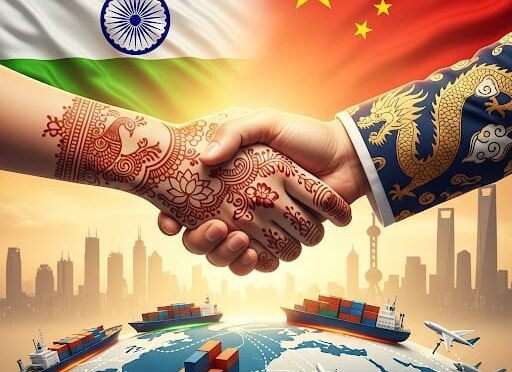
Amid rising trade tensions with the United States and a somewhat sort of improving trajectory of relations with China, India is likely to rejoin the Regional Comprehensive Economic Partnership (RCEP), an eastern trade grouping that it left nearly five years ago.

The RCEP is considered the world’s largest free trade pact, estimated to account for 32.6% of global GDP in 2025. Moreover, it is home to more than 2.35 billion people. This trade club has 15 member nations, including all ASEAN members such as Brunei, Cambodia, Indonesia, Laos, Malaysia, Myanmar, the Philippines, Singapore, Thailand, and Vietnam. China, Japan, South Korea, Australia, and New Zealand are all members of the bloc. Notably, Japan and Singapore had incorporated a specific clause permitting India to rejoin the bloc at any point.

India is now considering joining the trade group, two senior government sources familiar with the situation told Mint on the condition of anonymity. The report mentioned that the government is considering a “deeper embrace of the East”. In November 2019, New Delhi exited the group, citing worries over market access, rising trade imbalances, and hazards to farmers, local industry, and small enterprises. Previously, India’s opposition to the RCEP was based on key concerns such as an unfavourable trade balance with China, fears that Chinese goods would flood Indian markets via third countries, and New Zealand’s plan to supply milk and milk products to India, which would harm India’s small farmers and dairy cooperatives.

China had been utilizing Cambodia, Laos, Vietnam, and other ASEAN countries as platforms to redirect shipments to India under existing free trade agreements, prompting accusations of unfair trade practices. Out of the almost 14,000 tariff lines granted to China under its trade agreement with India, Beijing increasingly used indirect channels, which became a major source of concern for New Delhi. Currently, India’s greatest export industries, such as medicines and IT services, suffer severe constraints in China and do not have market access there.

Now, however, the Centre is reassessing the costs and advantages of RCEP participation in light of global supply chain realignments, tariff disputes, and the need to diversify export markets. The new approach is being considered as part of a larger effort to strengthen India’s commercial ties with neighbouring nations, particularly in light of tense trade discussions with the United States. According to analysts, hefty US tariffs are driving eastern economies to make RCEP a more appealing platform. The US under President Donald Trump has imposed tariffs of 15-20% on several ASEAN economies, with higher duties of 40% on Laos and 19% on Cambodia. Such tariff restrictions have rendered exports unprofitable, forcing these nations to reassess their trade alternatives within the RCEP framework.

On the other hand, Trump placed the maximum 50% tariffs on India, including a 25% penalty for acquiring Russian oil. The first set of duties went into effect on August 7, with the remaining 25% slated to take effect on August 27th.According to Dattesh Parulekar, assistant professor of International Relations at Goa University, “Since both China and India are among the largest markets in the region, it is essential that they work out a more workable arrangement to make effective use of the RCEP platform. Without mutual understanding between the two, the benefits of such a mega trade pact will remain underutilized”.

The Research and Information System for Developing Countries (RIS), an autonomous body under the Ministry of External Affairs, has been entrusted to conduct an impact assessment of India’s membership in RCEP, especially since the Trump tariffs are expected to remain in place for an extended period. India is claimed to be pushing for written assurances from China and ASEAN nations to ensure greater market access for Indian products in order to make the pact a more balanced agreement.

India’s re-entry into the RCEP must be considered in light of its long-term economic plans, such as the “Make in India” and “Atmanirbhar Bharat” projects. While critics argue that greater integration with the RCEP may expose domestic industries to increased competition from Chinese manufacturing and ASEAN agricultural exports, supporters argue that participation could provide Indian producers with access to some of the world’s fastest-growing markets. This, in turn, may help India enhance its industrial base by integrating into regional value chains, particularly in areas such as electronics, textiles, and autos, where supply networks are becoming more regionalised. The task will be to strike a balance between protecting vulnerable sectors and maximizing prospects for further integration.

Furthermore, India’s choice to joining the RCEP would have considerable geopolitical ramifications. Beyond economics, it would signify New Delhi’s intention to strengthen ties with East and Southeast Asia at a time when global commerce is growing more fragmented. With the United States adopting protectionist measures and China strengthening its economic influence in Asia, India’s participation in RCEP might serve as a stabilizing force and provide an alternative partner for smaller ASEAN countries. By integrating its trade tactics with its Act East Policy, India might minimize its reliance on Western markets while simultaneously establishing itself as a key participant in defining the Indo-Pacific’s growing trade architecture.

At this moment, the focus is primarily on the potential that an FTA can offer, and India has already implemented certain adjustments. Looking at trade compatibility and scope, the ambit within which two- or three-tier tariff systems were initially considered, and the increased impetus seen in India-China trade ties, both would have to be evaluated. Then, a framework for assessment should develop.

With a Prime Ministerial visit to China coming up soon, and the increasing closeness between the two Asian powerhouses, as clear from Beijing’s agreement to supply rare earth magnets, fertilizers and resume direct flights with India, an interesting set of developments are sure to follow. Such measures reflect both parties’ readiness to decrease friction and explore possibilities of collaboration beyond trade. If India’s re-engagement with the RCEP is combined with renewed bilateral dialogue, it may pave the path for a more stable and predictable framework of interaction in Asia.

At the same time, New Delhi’s cautious navigation would be critical, as over-reliance on Beijing may raise concerns among other Indo-Pacific countries. Thus, the forthcoming visit is more than just a diplomatic exercise; it has the potential to redefine India’s role in the regional order. The actual effect of India’s return to the RCEP will be determined by how well it takes use of this chance to construct a balanced relationship that protects domestic concerns while embracing the benefits of broader economic integration.

Outlook Business Desk. (2025, August 21). India may consider re-joining RCEP: What’s pushing india’s comeback to the trade bloc after 5 years? Outlook Business. https://www.outlookbusiness.com/economy-and-policy/india-may-consider-re-joining-rcep-whats-pushing-indias-comeback-to-the-trade-bloc-after-5-years

Moneycontrol News. (2025, August 21). India weighs rejoining RCEP after Trump tariff concerns: Report. Moneycontrol. https://www.moneycontrol.com/news/india/india-weighs-rejoining-rcep-after-trump-tariff-concerns-report-13474643.html

Sagnik Sarkar,
Adjunct Researcher, Asia in Global Affairs

The views and opinions expressed in this book review are those of the author and do not necessarily reflect the official policy or position of Asia in Global Affairs. The review is intended for academic and informational purposes only. It is not an endorsement of any particular viewpoint, nor is it intended to malign any individual, group, organization, company, or government

/ A Return to the RCEP? Analysing India’s Options

Power of Words The Evolution and Impact of Political Slogans in Contemporary India

Posted on : August 12, 2025
Author : Adarsh Prasad

In the world’s largest democracy, political slogans have long served as potent instruments of persuasion, encapsulating complex ideologies into memorable catchphrases that resonate with the masses. From the fervent cries of independence to the digital age’s viral hashtags, slogans have evolved, reflecting the nation’s socio-political transformations. This article delves into the historical evolution, contemporary relevance, and nuanced impact of political slogans in India, analysing their role in shaping voter behaviour and political discourse. As India prepares for major elections in 2024–2025, political slogans once again occupy a central position in the rhetorical terrain, having morphed into multi-platform phenomena.

From Independence to Economic Liberalization

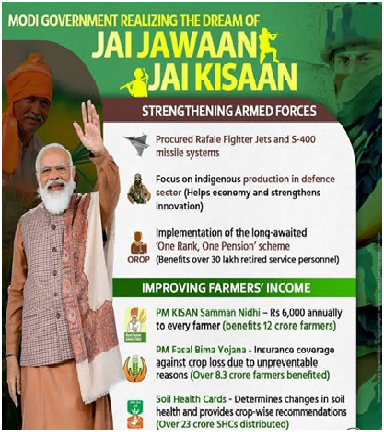
Political slogans in India have mirrored the nation’s journey, evolving to reflect changing priorities and sentiments. During the pre-independence era, slogans like “Vande Mataram” and “Quit India” galvanized masses against colonial rule. Post-independence, the focus shifted to nation-building, with slogans such as “Jai Jawan, Jai Kisan” emphasizing national pride and agrarian concerns. Indira Gandhi’s “Garibi Hatao” in the 1970s underscored a commitment to poverty alleviation, aligning with the socialist policies of the time.

The 1990s marked a shift towards economic liberalization, with slogans like “India Shining” reflecting optimism about the country’s economic prospects. These slogans not only encapsulated political ideologies but also played a crucial role in mobilizing public sentiment and shaping electoral outcomes.

The Digital Era and Personalized Politics

The advent of digital media transformed the landscape of political communication. Slogans became more personalized and targeted, aiming to connect with specific demographics. The Bharatiya Janata Party’s “Abki Baar, Modi Sarkar” in 2014 projected decisive leadership, while the Aam Aadmi Party’s “Paani Bill Half, Bijli Bill Half” addressed urban voters’ concerns. In the 2022 Uttar Pradesh elections, the Indian National Congress introduced “Ladki Hoon, Lad Sakti Hoon” to empower women and address gender inequality.

As Arjun Appadurai aptly puts it, the digital landscape enables the proliferation of aspirational politics, where slogans function not only as vehicles for political ideology but also as catalysts for emotional and political investments.

The Semiotics of Slogans: Language, Power, and Emotion

Political slogans function as semiotic tools, distilling complex ideologies into simple, emotionally resonant phrases. They serve as cognitive shortcuts, enabling voters to associate parties or candidates with specific policies. George Lakoff’s theory of framing suggests that the way information is presented significantly influences perception. Slogans like “Achhe Din Aayenge” (“Good days will come”) evoke hope and optimism, while “Chowkidar Chor Hai” (“The watchman is a thief”) leverages irony to question credibility.

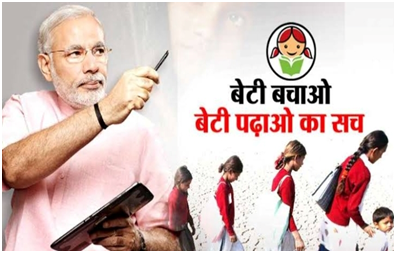
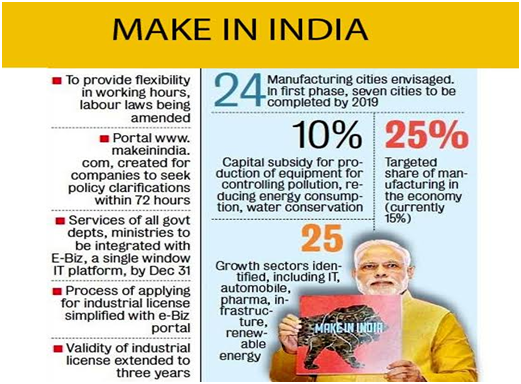
The success of slogans like “Make in India” (2014) and “Beti Bachao, Beti Padhao” (2015) lies in their appeal to emotion and national pride. However, as Tejaswini Niranjana notes, such language often seeks to obscure deeper issues, flattening complex realities into slogans that simplify contentious issues for mass consumption.

Slogans also play on nostalgia and collective memory, building connections with the electorate that transcend policy substance. The “Abki Baar, Modi Sarkar” slogan, for instance, evoked a sense of change, but it also tapped into anxieties about political status quo, offering a promise of a ‘decisive’ leadership.


The Digital Ecosystem: Slogans, Memes, and Hashtags

In the digital age, political slogans are not confined to posters and rallies; they have been transformed into viral entities that circulate across social media platforms. The age of memes, WhatsApp forwards, and hashtag politics means that slogans are now also viral content. The BJP’s “Modi Hai Toh Mumkin Hai” (“If Modi is there, it’s possible”) gained substantial traction on Twitter and WhatsApp during the 2014 elections, reinforcing narratives of strong leadership.

Political parties have effectively embraced these digital dynamics by using social media to disseminate slogans, ensuring their resonance with young voters who engage with politics online. Slogans have become not just tools of persuasion but also forms of digital populism, circulating within algorithmic visibility where they are amplified by political algorithms and digital influencers.


The Paradox of Promise and Performance

While slogans are effective tools for mobilization, they often oversimplify complex issues, reducing nuanced policy discussions to catchy phrases. For instance, “Abki Baar 400 Paar” set an ambitious electoral target but offered little policy substance. Critics argue that slogans like “Make in India” and “Beti Bachao, Beti Padhao” were more symbolic than substantial, relying on emotive appeal rather than concrete policy change.


Ajay Maken criticized “Make in India” for failing to provide the necessary infrastructure or incentives to foster manufacturing growth. Similarly, the “Beti Bachao, Beti Padhao” campaign faced criticism for focusing on publicity rather than addressing the root causes of female disenfranchisement. These slogans often operate in the realm of symbolic gestures rather than tangible commitments, leaving large sections of the population disillusioned.


Case Studies: Symbolism vs. Substance

“Beti Bachao, Beti Padhao (Save the Daughter, Educate the Daughter)”

Launched in 2015, this slogan-based scheme aimed to address the declining child sex ratio. However, government data revealed that 56% of funds were spent on publicity, and only 25% reached districts. The scheme, critics argue, functioned more symbolically than substantively, offering catchy rhetoric but failing to make a measurable impact.

Make in India

Launched in 2014, this campaign aimed to promote manufacturing and foreign investment. However, critics like Ajay Maken have called it a hollow slogan, pointing to insufficient infrastructure, lack of competitive edge, and environmental concerns. Despite its grand ambitions, the campaign failed to deliver on its promises of job creation and economic revival, leading many to view it as a symbolic gesture rather than a sustainable policy initiative.

Achhe Din Aayenge” (Good Days Will Come)– BJP, 2014

Achhe Din Aayenge” (Good Days Will Come)– BJP, 2014

One of the most iconic slogans of the 2014 general elections, “Achhe Din Aayenge”, was central to Narendra Modi’s campaign. It promised better governance, economic revival, and reduced corruption. The slogan capitalized on public discontent with the Congress-led UPA government, especially after high-profile scams like 2G and Coalgate. Though the slogan succeeded electorally, critics argue that it overpromised. Unemployment, economic inequality, and agrarian distress persisted. While certain reforms like the Insolvency and Bankruptcy Code and GST were introduced, the narrative of achhe din began to lose credibility in subsequent years, becoming a subject of satire and memes. The Hindu, in a 2019 editorial, noted that the slogan had “morphed from a promise into a punchline.”


“Chowkidar Chor Hai” (The Watchman is a Thief) – Congress, 2019


Coined by Rahul Gandhi during the 2019 election campaign, this slogan was aimed at Narendra Modi in the context of the Rafale deal controversy. It sought to flip the BJP’s earlier portrayal of Modi as a vigilant ‘chowkidar’ guarding the nation’s resources. While it gained media attention and trended briefly on social media, it backfired politically. Modi responded with a counter-campaign: “Main Bhi Chowkidar”, turning the attack into a badge of honor. BJP supporters adopted it widely, making it a collective identity movement. This counter-narrative showed how slogans could be subverted and reappropriated in India’s dynamic political space.

“India Shining” – BJP, 2004

Used during Atal Bihari Vajpayee’s tenure, “India Shining” projected an optimistic image of India’s economic growth, urban development, and technological progress. Despite an overall upward economic trajectory, the slogan failed to resonate with rural voters and those affected by growing inequality. It was criticized for ignoring agrarian distress and unemployment. The Congress-led UPA capitalized on this gap, launching the Aam Aadmi (common man) campaign. The BJP lost the election, demonstrating that slogans perceived as elitist or disconnected from ground realities can alienate large voter bases.

“Ladki Hoon, Lad Sakti Hoon” (I’m a Girl, I Can Fight) – Congress, UP Elections 2022

Spearheaded by Priyanka Gandhi Vadra, this slogan aimed to appeal to women voters in Uttar Pradesh by promising 40% representation for women in party tickets and a women-centric manifesto. While it was praised for highlighting gender issues in mainstream politics, the slogan failed to convert into electoral gains. Congress won only two seats. Analysts like Yogendra Yadav argued that the slogan lacked organizational follow-through and concrete grassroots mobilization, highlighting the limits of identity-based slogans without structural backing.

“Jai Jawan, Jai Kisan”  (Hail the Soldier, Hail the Farmer) – Lal Bahadur Shastri, 1965

This iconic slogan, coined during the Indo-Pak war of 1965, underscored the importance of national defence and agricultural productivity. It remains one of the most revered slogans in Indian political history. Unlike modern slogans often rooted in electioneering, this phrase shaped national identity and policy direction. It led to the strengthening of India’s food security framework and reinforced respect for the armed forces. Its legacy persists in rural discourse and public memory, often invoked in protests and policy speeches.

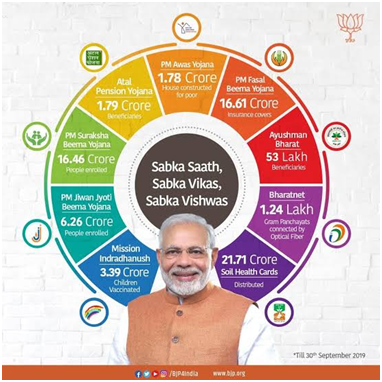
Sabka Saath, Sabka Vikas, Sabka Vishwas” (With All, Development for All, Trust of All)– BJP, 2019

Sabka Saath, Sabka Vikas, Sabka Vishwas” (With All, Development for All, Trust of All)– BJP, 2019

An evolution of the earlier Sabka Saath, Sabka Vikas slogan from 2014, the 2019 version added “Sabka Vishwas” to underscore inclusivity and trust. The slogan projected a pan-Indian, secular development narrative, countering allegations of majoritarianism. However, incidents of communal violence, mob lynching, and the Citizenship Amendment Act (CAA) protests led critics to question the sincerity of the slogan. Scholars like Christophe Jaffrelot argue that this was a rhetorical attempt to soften the international image of the BJP rather than a real policy shift.


“Mandir Wahi Banayenge” (We Will Build the Temple There) – BJP/VHP, Late 1980s–1990s

This slogan emerged during the Ram Janmabhoomi movement, promising the construction of a Ram Temple at the disputed site in Ayodhya. Unlike many slogans that remain symbolic, this one eventually materialized, culminating in the 2024 consecration of the Ram Mandir. The slogan not only shaped decades of religious-political discourse but also redefined the BJP’s core voter base and ideological identity. It represents how slogans, when tethered to deeply emotive and identity-based narratives, can transform into long-term political projects.

“Har Haath Ko Kaam, Har Khet Ko Paani” (Jobs for Every Hand, Water for Every Field)– Congress, 2009

This UPA-era slogan was part of a broader focus on inclusive growth. It emphasized rural employment (via MGNREGA) and agricultural support through irrigation and subsidies.

The slogan was complemented by robust policies and legislation like MGNREGA, the Forest Rights Act, and the Right to Education Act. It contributed to the Congress’s re-election in 2009. However, critics noted poor implementation in some states and rising fiscal burdens. Nonetheless, it remains one of the few slogans that had a parallel in real, large-scale policy delivery.


Conclusion

Political slogans are powerful tools in the democratic arsenal, functioning as instruments of mobilization, emotional connection, and ideological assertion. However, as India approaches its 2024–2025 elections, it is crucial to recognize the limitations of slogans in fostering substantive political change. The increasing dominance of slogans in political discourse, particularly in the digital age, raises critical questions about the quality of democratic dialogue. When slogans replace nuanced debates and are used to mask policy failures, the very essence of democracy is at risk. In the words of Partha Chatterjee, “Political society, especially in post-colonial states, has always had a deeper connection to popular memory and emotion than to policy or governance.” As slogans continue to morph and evolve, the challenge remains: will these rhetorical devices ultimately empower the electorate, or will they obscure the truth of what is promised versus what is delivered?


References

Appadurai, A. (2013). The Future as Cultural Fact: Essays on the Global Condition. Verso Books.

Chatterjee, P. (2004). The Politics of the Governed: Reflections on Popular Politics in Most of the World. Columbia University Press.

Lakoff, G. (2004). Don’t Think of an Elephant! Know Your Values and Frame the Debate. Chelsea Green Publishing.

Niranjana, T. (2008). Mobilizing India: Women, Music, and Migration between India and Trinidad. Duke University Press.

Maken, A. (2015). Make in India initiative just a slogan. The Economic Times.

NDTV Profit. (2021). Truth of Beti Bachao, Beti Padhao: 56% of Funds Spent on Publicity.

Sardesai, R. (2019). 2019: How Modi Won India. HarperCollins.

Sharma, K. (2022). How Congress Tried to Win UP With ‘Ladki Hoon’ Slogan. The Print.

Vanaik, A. (2019). The Rise of Hindu Authoritarianism: Secular Claims, Communal Realities. Verso Books.


Adarsh Prasad

M.A. Political Science

St. Xavier’s College (Autonomous), Kolkata

Intern, Asia in Global Affairs


Disclaimer: The views and opinions expressed in this film review are those of the author and do not necessarily reflect the official policy or position of Asia in Global Affairs. The review is intended for academic and informational purposes only. It is not an endorsement of any particular viewpoint, nor is it intended to malign any individual, group, organization, company, or government.

/ Power of Words The Evolution and Impact of Political Slogans in Contemporary India

FROM AWAKENING TO ASHES: THE SACRED GHATS OF VARANASI AND THEIR ETERNAL LEGACY

Posted on : July 7, 2025
Author : Lahari Bandyopadhyay

Varanasi is one of the oldest cities in the world located in the state of Uttar Pradesh. The city was first named as Kashi. According to Hindu mythology, Lord Shiva created this city to live amidst humans and according to historians, the civilization in Varanasi was started by Aryans during the Ganges Valley civilization even before 2000 BC. By the end of 2nd century BC, Varanasi was one of the thriving and wealthy regions of the country. In 5thcentury BC, Lord Buddha gave his first sermon, just 10 km away from Varanasi, in Sarnath and introduced the new religion, Buddhism. Adi Shankaracharya made Shiva worship an official Varanasi sect in the 8th century. The city is well-known for its temples, including the Kashi Vishwanath Temple, Annapurna Temple, Kal Bhairav, Sankat Mochan etc. In Varanasi, Tulsidas composed his epic in the Awadhi language, the Ramcharitmanas, which is a reworking of the Sanskrit Ramayana by the Bhakti movement. Kabir and Ravidas were among the other prominent members of the Bhakti movement who were born here. In 635 AD, Hsuan Tsang, a Chinese traveller, visited Kashi. Rajput aristocrats working for Akbar, the Mughal emperor, funded the construction of Hindu temples in the city in the 16th century using an architectural style common to the entire empire.The city has also been a cultural and educational hub in Northern India with the Banaras gharana form of Hindustani classical music being developed there. The city was linked to Ustad Bismillah Khan and MunsiPremchand in the 20th century. In 1791, Benares Sanskrit College, India’s oldest Sanskrit college, was established. Central Hindu College was established by Annie Besant in 1898, and in 1916, Banaras Hindu University was founded by her and Madan Mohan Malviya together. In reaction to Mahatma Gandhi’s non-cooperation movement, Kashi Vidyapith was founded in 1921. As part of the traditional etymology, the city is located on the north shores of the Ganges, bounded by two tributaries, “Varuna” and “Assi”, thus forming the name “Varanasi”. The name “Kashi” has been referred in Mahabharata from Sanskrit verbal root “kaś”which means”to shine”, making Varanasi known as “City of Light”.

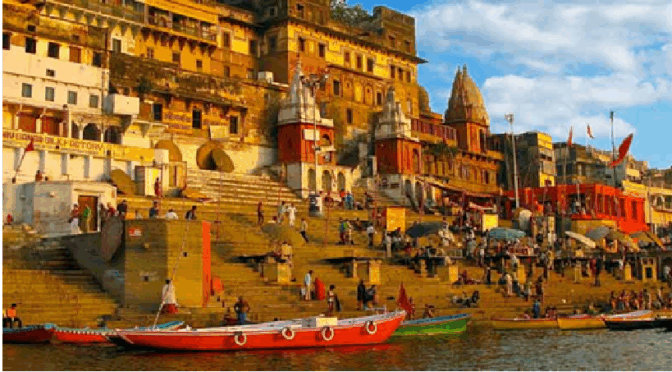
The city is well-known across the world for its numerous ghats, which are stairs that descend the steep riverbank to the water and are used by pilgrims for rituals. There are 84 ghats in the city. The Marathas reconstructed the majority of Varanasi’s ghats in the 18th century. Maharajas of Benares, Marathas, Shindes (Scindias), Holkars, Bhonsles, and Peshwes (Peshwas) are the current patrons of the ghats. While some ghats have private histories and uses, many are connected to legends or folklore. According to the puranic sources, there are five key ghats on the riverfront which are important because of their association with a defining feature of the holy city of Kashi: Assi Ghat, Dashashwamedh Ghat, Manikarnika Ghat, Panchaganga Ghatand Adi Keshav Ghat.

  • Assi Ghatis one of the largest ghats in Varanasi. The name is derived from the river Assi, that marks the traditional southern boundary of the city. AsisangameshwarTemple at the ghat finds mention in the Kashi Khand of Skandmahapuran, where Assi is described as “Saimbeda Tirtha,” meaning that the person who bathes in this holy river receives the punya of all other notable thirthas. Assi Ghat is described, in some of the Puranas, as the place where the goddess Durga defeated two asuras, Shumba-Nishumba and threw her sword in the river. The ghat hosts Subah-e-Banaras, a cultural and spiritual event, every morning.
  • Dashashwamedh Ghat is the most popular of all the ghats and is located close to the Kashi Vishwanath Temple. The ghat is connected to two Hindu legends. One says that Brahma made it to welcome Shiva. In another one, Brahma offered 10 Ashwamedha (horses from ashwamedh yagna) sacrifices here, and hence the name Dash-Ashwamedh. The present ghat was built in the year 1748 by PeshwaBalaji Baji Rao. A few decades later, in 1774, Ahilyabai Holkar, the Queen of Indore, rebuilt the ghat. Ganga aarti is performed at this ghat every evening in dedication to Shiva, the goddess Ganga, Surya, Agni, as well as the whole universe and is attained by thousands of tourists every day.
  • Manikarnika Ghat is one of the two main cremation sites besides the Harishchandra ghat. It is one of the oldest ghats in Varanasi as mentioned in a Gupta inscription of 5th century CE. There are two legends which are associated with the Manikarnika Ghat.According to one, after Daksha yagna and Sati’s self-immolation, Shiva took Sati’s burning body to the Himalaya. On seeing the ceaseless anger and sorrow of Shiva, Vishnu sent his chakra and the body was split into 51 pieces, which then dropped on the “Shaktipeeth” of the earth. Manikarnika Ghat is where Sati’s ear jewellery fell. The second mythology states that Parvati concealed her earrings here in order to prevent Shiva from navigating the globe. On the banks of the Ganges, she told him, she had misplaced the earrings. According to this tradition, whenever a body is cremated at the Manikarnika Ghat, Shiva asks the spirit if it has seen Parvati’s earrings or not. Hinduism views death as the beginning of a new life filled with sufferings brought on by one’s karma. It is believed that when a person is cremated here, their soul achieves moksha and breaks the cycle of rebirth.
  • Panchaganga Ghat is a famous ghat that is named after the five holy rivers that are said to confluence at this spot: Ganga, Saraswati, Dhupapapa, Yamuna, and Kirana. The others are believed to have vanished or changed into ethereal forms, leaving only the Ganga visible today. It is believed to have been constructed during the Mahabharata era by Sage Bhrigu. Because of the magnificent golden temple of Vishnu located at the Ghat, it was formerly known as Bindumadhav Ghat. In 1673, Aurangzeb demolished the temple and it was transformed into the Alamgir Mosque. The current temple has been restored on the mosque’s right side.
  • Adi Keshava Ghat is now known as Raj Ghat. The Mauryan and Gahadavala inscriptions mark Rajghat as one of the most sacred spots in Varanasi. It was the busiest ghat till 12th century CE. It was also famous for pinddaan and asthi-visarjan

Besides these, some of the other major ghats are Tulsi ghat, Jain ghat, Harishchandra ghat, Darbhanga ghat, Ahilyabai ghat, Lalita ghat, Chet Singh ghatetc, all of which have major mythological and historical significance.

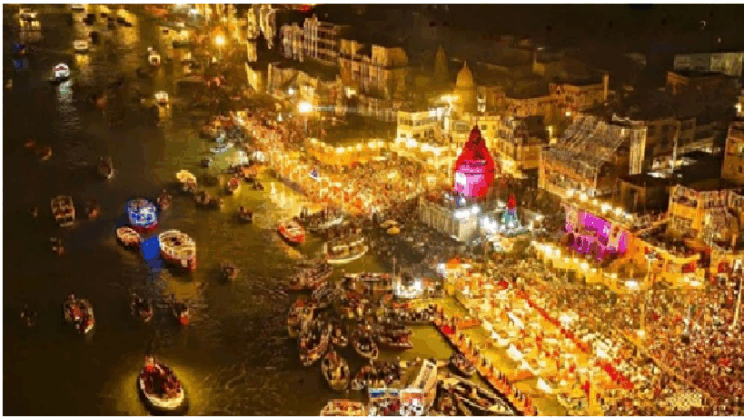
The ghats are a witness of the Dev Deepawali, the festival of Kartik Purnima, which takes place in the month of November. Mythologically, the gods are believed to descend on Earth to bathe in the Ganges on this day. The steps of all the ghats on the riverfront of the Ganga are lit with more than a million earthen lamps. Magnificent laser and fire cracker shows are a new attraction since the past few years.

Dev Deepavali celebration,

Dev Deepavali celebration, 2022, https://www.youtube.com/watch?v=xNtOBESJ14A

Varanasi and its ghats have been a favourite hub for several film industries in many languages, for instance, Aparajito (1956), Hotel Salvation (2016), Raanjhanaa (2013), Mohalla Assi (2018), Chokher Bali (2003), Masaan (2015), The Last Colour (2019), and too many other movies gets drawn to its raw, unfiltered beauty, the quiet melancholy and the vibrant frames. Therefore, when Mark Twain writes “Older than history, older than tradition, older even than legend it echoes none other than the timelessness of Varanasi — a city that has not only survived but thrived across millennia, with her ghats whispering hymns that are older than empires and where death itself bows, not in fear, but in reverence.

References:


Lahari Bandyopadhyay

Intern, Asia in Global Affairs

The views and opinions expressed in this book review are those of the author and do not necessarily reflect the official policy or position of Asia in Global Affairs. The review is intended for academic and informational purposes only. It is not an endorsement of any particular viewpoint, nor is it intended to malign any individual, group, organization, company, or government


/ FROM AWAKENING TO ASHES: THE SACRED GHATS OF VARANASI AND THEIR ETERNAL LEGACY

The Paradoxes of the Great Indian Middle-Class

Posted on : June 14, 2025
Author : Allen David Simon

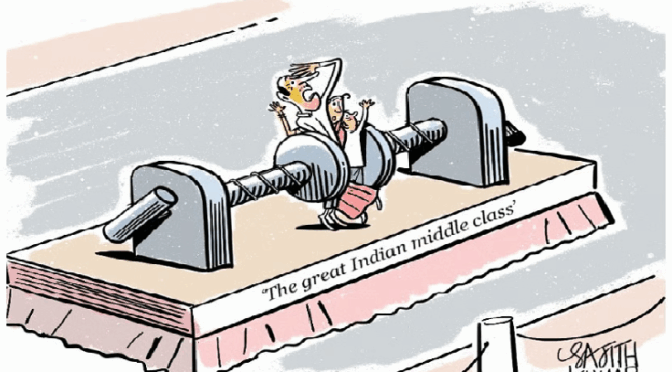
Image courtesy of Kumar, S. (2025, January 27). DH Toon: The middle class conundrum. Deccan Herald. https://www.deccanherald.com/opinion/cartoon/dh-toon-the-middle-class-conundrum-3374098


The “notoriously difficult” to define or demarcate Indian middleclass maintains its social distinction through social and cultural attributes rather than proprietary over the means of production. The middle-class elites emerged to play a “strategic role” in conceptualization of the democratic framework and modernizing efforts in post-colonial India.


The Middle-Classes

Forming the crux of the civil society, the middle-classes are a heterogenous social group of three clear strata. A continuity between the capitalist class and the middle classes – the “petite bourgeois” of small-business that form the “local capital” in the informal economy. The “dominant faction” of english-educated, professionals and intellectuals who occupy recognized positions of authority in various fields. Lastly, the “mass faction” of white-collared, salaried workers who are active consumers of middle-class intellectual ideologies. The Nehruvian command economy provided venue for the expansion of the middle-class niche while frustrating ambitions of other social groups. Thus the “intermediate class” consolidated its chokehold over the Indian economy through diverse “particularistic tactics” of lobbying the political circuits to their favor.


It has been the pre-eminent faction that determines the general direction of Indian politics – articulating the hegemony (Sallach, 1974) of the ruling bloc of Indian society and acting as a liaison to upset the “mutual incomprehensiveness” between the elites and the masses. The middle-class receives active support from the bourgeois in brandishing the Gandhian mode of class conciliation (Weber, 2001) to suppress opposition to perpetuate class-hierarchy. Moreover, the ‘ambivalent’ attitude of the middle-class towards popular processes is reflected in its efforts to curtail democracy from attempts to empower the lower-classes. Yet, its failure to create a common political language or develop common beliefs has done little to deter middle-class primacy. (Harris, 2010, pg.144-147)


The New Middle-Class

While the ‘old’ middle-class was too was a site of political and economic debate, there has been a lack of consensus over qualifying variables for the middle class. The middle class by itself is an ‘aspirational’ category, having a positive socio-cultural and parallel economic considerations. The middle class, since the Aristotelian days been considered the democratic class as well as an ethical category. The Indian middle-class is viewed as the class valuing education and hard work for mobility, seeking security in the formal (generally public) sector, self-made and saving creating,  socially responsible class, value and family-oriented, the new middle class has a distinct character.


The new middle-class is composed of those sections of society who were able to benefit for the post-1990 liberalization of the Indian economy. They are decisively urban, confined to metropolitan centers, and gaining from the boom in the private sector from western outsourced technical jobs, Multinational Corporations (specifically in the IT, biotechnology, pharmaceuticals, etc.) and the startup ecosystem. Economic opportunities have upliftment has resulted in higher standard of living. There has been no shift between the social makeup between the old and the new, it is a generational shift, not a class shift or a cultural one. The new middle-class is not a monolith, but a more composite class in terms of religion, caste, ethnicity, and linguistics with social and geographic mobility. (Harris, 2010, pg.149-151)


The new middle-class embraces a global (over)consumerist pattern, with a distinct break from the savings culture of the ‘old’ middle-class into a more atomistic lifestyle. The shift in the social standard for disposable income, from savings to overspending. Yet the uncertainties of the labor market create a new pattern of hassle culture, smoke room decisions, competition, moonlighting, a constant FOMO that pushes for upskilling (especially education in AI, marketing, management, etc.) or a nightlife (else face social exclusion).


The Middle-Class Spiel

Journalist John Harris in his ‘Class and Politics’ in The Companion to Politics in India, edited by Niraja Gopal Jayal and Pratap Bhanu (2010) proceeds to highlight the emergence of the neo-middle class as a product of the ‘new-politics’ – a distinctive combination of economic liberalism and social illiberalism. While economic liberalization 1991 catapulted middle-class significance in capital development, the second-democratic upsurge necessitated re-alignment with Hindu nationalism to defend class interests from popular aspirations. Middle-class through civil society bodies reinforce middle-class superiority, despite its apparent withdrawal from electoral politics. Another distinct departure of the ‘old,’ which had been an agnostic in politics, the new middle-class has steadily moved towards a more appreciation for the new-right.  Class has moved far from the simplistic notion of fundamental opposition between capital and labor: the globalized free-market has forwarded class based on neighborhood rather than occupation or income. The hegemonic design of the closed cosmopolitan-urban centers of opportunity cater to the capitalist and middle-classes over the excluded “informal proletariat.”


The Politics of the Middle-Class

In Amit Ray’s “The Enigma of the ‘Indian Model’ of Development” (2015), he noted on the lop-sided economic growth, with rapid expansion of high-end knowledge-intensive/service sector, parallel to the neglect of low-end labor-intensiveindustry, resulting in the inequality to the extreme:“a prescription for political volatility” and an unsustainable development model. Leena Fernandez in “Restructuring the New Middle Class in Liberalizing India” in the Comparative Studies of South Asia, Africa and the Middle East, Volume 20 (2000) may have an answer to provide.She critiques the emergence of new middle class to be a “discursive image,” created by the direct interests of the state in two ways.


As the globalized culture has brought about the ascendence of the cosmopolitan culture, this lifestyle has become the aspiration. The state finds this ‘aspiration dream’ to coincide with the ‘New India,’ provide a justification for the liberalization of the 1990s, convincing the public that mobility was earned solely through merit. This conscience is created through the media and advertisement agency illustrating the proof of an emergent economy, and those who fail to prosper, are mismatches for the labor market, and not a failure of opportunity. Further, the state uses this aspirant class to pitch as the consumer market, drawing the foreign investments and entrepreneurial innovation to cater to this class.


The Indian middle-class – the old and new – is beset by paradoxes of being: both educated-intellectuals and “conducive to autocracy,” inclusive of all cultural identities but exclusive to a social status, opinionated yet apathetic. Despite the absence of a majority middle-class constituency in the Indian society, it occupies hegemonic function in the Indian polity: in which the middle-class is both the product and the producer of the Gramscian hegemony of the Indian society.


References

  1. Glassman, R. M. (1997). The new middle class as an Aristotelian base for democracy. In The new middle class and democracy in global perspective, 105-123. Palgrave Macmillan. https://doi.org/10.1057/9780230371880_5
  2. Fernandes, L. (2000). Restructuring the new middle class in liberalizing India. Comparative Studies of South Asia, Africa and the Middle East, 20(1-2), 88–112. https://doi.org/10.1215/1089201X-20-1-2-88
  3. Harris, J. (2010). Class and politics. In N. G. Jayal & P. B. Mehta (Eds.), The Oxford companion to politics in India, 139-153. Oxford University Press.
  4. Ray, A. S. (2016). The enigma of the “Indian model” of development. In Rethinking development strategies after the financial crisis (pp. 31–40). https://doi.org/10.18356/d822fc14-en
  5. Krishnan, S., & Hatekar, N. (2017). Rise of the new middle class in India and its changing structure. Economic and Political Weekly, 52(22), 40–48.https://www.epw.in/journal/2017/22/special-articles/rise-new-middle-class-india-and-its-changing-structure.html
  6. Sallach, D. L. (1974). Class Domination and Ideological Hegemony. The Sociological Quarterly, 15(1), 38–50. http://www.jstor.org/stable/4105619
  7. Weber, T. (2001). Gandhian philosophy, conflict resolution theory and practical approaches to negotiation. Journal of Peace Research, 38(4), 493–513. https://doi.org/10.1177/0022343301038004006


Allen David Simon

Intern, Asia in Global Affairs


The views and opinions expressed in this book review are those of the author and do not necessarily reflect the official policy or position of Asia in Global Affairs. The review is intended for academic and informational purposes only. It is not an endorsement of any particular viewpoint, nor is it intended to malign any individual, group, organization, company, or government

/ The Paradoxes of the Great Indian Middle-Class

Carceral Patriarchy: An Understanding of Female Prisoners in India and Their Human Rights

Posted on : May 26, 2025
Author : Debangi Sanyal
Carceral Patriarchy

Introduction

India’s criminal justice system, like much of its social structure, is embedded within layers of patriarchy, caste, and economic inequality. Women, historically positioned as moral anchors and nurturers, are culturally disassociated from criminality. However, their increasing visibility within the penal system contests this perception and exposes the gendered nature of crime and punishment. Between 2001 and 2021, the number of women prisoners in India rose by nearly 61%, many of whom are incarcerated for crimes stemming from structural inequalities, domestic violence, or survival strategies rather than organized or violent criminal behaviour.

Gendered Pathways to Incarceration: A Structural Perspective

Female incarceration in India predominantly reflects the lived realities of structurally disadvantaged women. According to Bhosle (2009), the majority of incarcerated women belong to Scheduled Castes, Scheduled Tribes, or religious minorities. A 2021 report by the National Crime Records Bureau confirms that Dalit and Adivasi women are overrepresented in prison populations, often criminalized for poverty-induced or retaliatory acts. In many cases, women face arrest for defending themselves or their children against abuse.

A pertinent example is that of Kausalya, a young woman from Tamil Nadu whose husband Shankar, a Dalit man, was murdered in an honour killing orchestrated by her family in 2016. Though she was the victim of familial violence, the criminal justice system initially treated her with suspicion, showing how caste and gender biases compound injustice (Indian Express, 2017). Another example is Neelam, a tribal woman from Jharkhand, who spent seven years as an undertrial after being falsely accused of being a Maoist sympathizer. Her case was eventually dismissed due to lack of evidence, but only after she lost crucial years of her life in prison (The Hindu, 2020).

Internationally, similar patterns have been observed. In the United States, the case of Cyntoia Brown, who was sentenced to life imprisonment at 16 for killing a man who bought her for sex, highlights how criminal justice systems across the globe often penalize victims of abuse rather than protecting them (Leong, 2020). Brown’s case drew global attention to the criminalization of survivors of sexual violence, leading to a clemency campaign and eventual release.

Intersectional feminist theories, particularly Kimberlé Crenshaw’s model of overlapping oppressions, explain how gender, caste, class, and ethnicity intersect in shaping pathways into incarceration. In India, these vulnerabilities are intensified by procedural failures. The Prison Statistics India 2021 data shows that 77.1% of female inmates are undertrial, many imprisoned longer than the maximum sentence prescribed for their alleged crimes due to sluggish judicial procedures, lack of legal representation, and inability to afford bail. This scenario is compounded by poor legal literacy among women inmates, many of whom are unaware of their right to bail under Section 437 CrPC or to free legal aid.

As a result, prisons become holding cells for women caught in cycles of poverty and violence rather than spaces for justice or rehabilitation. The systemic failure to distinguish between survival crimes and high-risk offenses leads to a homogenization of punishment, where women involved in acts of self-defense or petty theft receive the same treatment as habitual offenders. Such gender-blind and caste-insensitive approaches necessitate urgent reform.


Human Rights in Indian Prisons: The Gender Gap

Despite constitutional guarantees under Articles 14 (equality before the law), 19 (freedom of expression), and 21 (protection of life and personal liberty), and India’s ratification of the Convention on the Elimination of All Forms of Discrimination Against Women (CEDAW), the realities of prison life for women remain starkly inadequate. The 2021 NCRB report states that only 31 out of 1,319 jails in India are designated women-exclusive facilities, housing a mere 4.3% of the total female prison population. The majority of female prisoners are placed in male-centric institutions, where they face overcrowding, lack of sanitation, poor menstrual hygiene management, and absence of qualified female medical professionals.

Such conditions are in clear violation of the United Nations Rules for the Treatment of Women Prisoners and Non-custodial Measures for Women Offenders—popularly known as the Bangkok Rules (2010), which emphasize gender-specific treatment and highlight the need for physical and psychological health support for female inmates. Rule 5 of the Bangkok Rules specifically mandates that “women prisoners shall be allocated, to the maximum extent possible, to prisons close to their homes or their places of social rehabilitation.”

India’s legal and policy framework, however, still lags in gender-specific institutional care. While the Model Prison Manual (2016) incorporates gender-sensitive measures such as provision for crèches, vocational training, and periodic gynaecological check-ups, its implementation remains patchy and dependent on state-level discretion. Additionally, the Mulla Committee Report (1983) and the more recent Justice Amitava Roy Committee Report (2018) recommended comprehensive reforms in prison infrastructure and rehabilitation, particularly for female and undertrial prisoners. Yet, custodial torture, neglect, and procedural delays continue.

Sexual violence in custody remains a critical and underreported issue. The 2010 Asian Centre for Human Rights report documented 39 custodial rapes between 2006 and 2010, though experts argue that the actual number is likely far higher due to stigma, fear, and lack of institutional mechanisms for reporting. A prominent case was that of Maloti Kalandi, a trafficking survivor from Assam who was handed over to police for protection but was instead raped by sub-inspector Sahidur Rahman in custody. The case underscores the culture of impunity that exists in custodial environments. A pivotal moment in India’s legal history concerning custodial violence and sexual assault was the 1972 Mathura rape case. Mathura, a 16-year-old Adivasi girl, was allegedly raped by two policemen inside a Maharashtra police station. The Supreme Court, in Tukaram v. State of Maharashtra (1979), acquitted the accused, reasoning that there was no physical resistance and hence, no proof of non-consensual intercourse. This verdict sparked nationwide protests led by feminist groups, who argued that the court’s interpretation ignored the power imbalance and custodial coercion inherent in the case.

The public outcry led to a landmark shift: the Criminal Law (Amendment) Act of 1983. This amendment introduced Section 114A of the Indian Evidence Act, placing the burden of proof on the accused in custodial rape cases once the victim testifies to non-consent. It also inserted Sections 376B to 376D into the Indian Penal Code, expanding the definition of custodial rape and mandating stricter punishments for public servants guilty of sexual assault while abusing their authority. The Mathura case thus became a turning point, laying the foundation for feminist legal reforms around sexual violence and custodial abuse in India.

Such incidents reinforce Michel Foucault’s conception of carceral power as a mechanism that disciplines through physical control of bodies. Feminist scholars have built upon this analysis. Susan Bordo (1993), for example, introduced the concept of “body politics” to describe how institutional surveillance disproportionately polices the female body, reinforcing gendered norms through practices of humiliation and control.

In response to rising reports of custodial violence, the Prevention of Torture Bill (2010) was introduced in India to bring domestic law in alignment with the UN Convention Against Torture, but it has yet to be enacted into law, leaving a major gap in legal redress. The Nirbhaya Act (Criminal Law (Amendment) Act, 2013) introduced stricter punishments for custodial rape, but application remains limited due to lack of independent oversight in prison systems.

Internationally, several countries have enacted effective frameworks to curb custodial abuse and ensure gender-sensitive incarceration. Norway, for example, has adopted a dignity-oriented model, where female inmates have access to individualized healthcare and rehabilitative programming in small, community-based prisons. In Canada, the Arbour Report (1996) led to sweeping changes in the management of female correctional facilities after it exposed systemic abuses, including strip searches and solitary confinement, against women at the Prison for Women in Kingston. These changes included independent review bodies and trauma-informed care protocols.

India can draw lessons from these global practices by institutionalizing independent grievance redressal mechanisms, ensuring the presence of female officers in every female inmate’s medical or disciplinary process, and fully implementing the gender-specific protocols outlined in both domestic policy and international commitments.

Motherhood in Captivity and Legal Apathy: The Carceral Burden on Mothers and Children

The treatment of incarcerated mothers and their children represents one of the most acute human rights failures within the Indian penal system. The Model Prison Manual (2016) allows women prisoners to keep children with them until the age of six, but the reality within prisons is far from ideal. Most facilities lack basic child-friendly infrastructure such as nurseries, playgrounds, pediatric care, or trained childcare staff. This absence is not only a logistical failure but also a moral one, as it turns punitive environments into the only spaces available for formative childhood development.

Children growing up in such spaces internalize surveillance, discipline, and fear as part of their reality. In The Wire (2021), a mother recounted how her young daughter assumed cavity searches were a routine part of moving between spaces. These stories reflect the institutionalization of violence and the normalization of trauma. Article 28 of the UN Convention on the Rights of the Child guarantees the right to education, and Article 31 guarantees the right to play—rights that are functionally denied in Indian prisons. The National Commission for Protection of Child Rights (NCPCR) also notes the absence of structured educational programs or psychological support in most Indian prisons housing children.

These violations are not merely anecdotal. In 2019, the Supreme Court of India, in Re: Inhuman Conditions in 1382 Prisons, directed state governments to ensure proper facilities for pregnant women and mothers with children. Yet a 2022 audit by CHRI (Commonwealth Human Rights Initiative) found that compliance remained inconsistent across states, with many prisons lacking even the most basic child-rearing infrastructure.

Media representations such as the documentary Born Behind Bars (2018) highlight the daily realities of incarcerated children, portraying toddlers playing on cracked cement floors under constant surveillance. These depictions underscore how incarceration affects not just adult inmates but entire intergenerational lifelines.

Overlaying this crisis is a deeper structural silence around the legal pathways that keep women imprisoned. India’s legal architecture allows for gendered compassion. Section 437 of the Code of Criminal Procedure (CrPC) permits bail for women—even in non-bailable offences—especially if they are pregnant or have dependent children. However, this legal safeguard is underutilized due to poor legal literacy among prisoners and systemic judicial apathy.

The Justice Amitava Roy Committee Report (2018) recommended that every woman prisoner be paired with a legal volunteer, yet this measure remains aspirational and unmonitored. Moreover, many women are incarcerated for petty or retaliatory offences and are first-time offenders. According to Prison Statistics India 2021, over 70% of women prisoners were undertrials, not convicted criminals. Their incarceration often reflects social failure rather than legal necessity.

Feminist criminologist Pat Carlen emphasizes that women are punished not just for breaking the law, but for transgressing societal norms of femininity. A woman who escapes domestic abuse and retaliates is doubly punished—once by the law and again by a society that expects her to be submissive and nurturing. This systemic double-bind means that motherhood, which is socially idealized outside prison walls, becomes a site of both surveillance and deprivation within them.

Internationally, some nations have moved towards more humane approaches. In Germany, for instance, children up to the age of six can stay with their mothers in special ‘mother-child houses’ equipped with schools and paediatric care, supervised by trained psychologists and educators. In the UK, Mother and Baby Units (MBUs) operate within select prisons, offering nursery staff and structured routines for early childhood development. These models illustrate how incarceration can be restructured to account for gender and developmental rights, rather than erase them.

Comparative Models and Policy Recommendations: Global Lessons for India

Several countries have made significant strides in ensuring that the incarceration of women—particularly mothers—does not come at the cost of their children’s development or human dignity. South Africa has pioneered the establishment of mother-child units in correctional facilities, ensuring not just physical co-residence but also access to early childhood education, nutrition, and psychological support services. Brazil limits the period children can stay with incarcerated mothers to six years and mandates regular psychological assessments for both mother and child, recognizing the profound impact imprisonment can have on early development. Scandinavian nations such as Norway have adopted an open prison model that emphasizes rehabilitation over punishment. These prisons often allow children to live semi-independently, attend regular schools outside the facility, and maintain stable routines under supervised but minimally restrictive conditions. The guiding principle in such systems is that incarceration should not perpetuate intergenerational trauma or restrict basic developmental rights.

Drawing from these international best practices, India must reconfigure its penal policies to align with restorative justice principles. First, it is imperative to establish specialized mother-child prison units equipped with nurseries, pediatric healthcare, and age-appropriate education and play facilities. Gender-sensitization training for prison staff should be mandatory, aimed at eliminating patriarchal biases that influence the treatment of female prisoners. Additionally, regular mental health assessments and trauma-informed care protocols must be institutionalized. Bail rights under Section 437 of the CrPC must be proactively enforced, particularly for pregnant women and mothers of young children, while state-funded legal literacy programs can empower inmates with awareness of their rights. Early education programs for children in custody should be standardized, and accountability mechanisms must be introduced to address instances of custodial violence and neglect. Together, these measures can lay the groundwork for a prison system that upholds, rather than undermines, the constitutional and human rights of incarcerated women and their children.

Conclusion: Toward a Gender-Just Penal Reform in India

The incarceration of women in India is not simply a matter of criminal justice but a window into broader societal failures. It reflects how patriarchy, caste-based marginalization, and socio-economic exclusion are reproduced within the carceral system. Rather than serving as institutions of rehabilitation, Indian prisons for women too often become sites of further trauma—especially for mothers, victims of violence, and undertrial prisoners trapped by procedural delays. The absence of gender-sensitive infrastructure, inadequate access to legal recourse, and the normalization of custodial violence constitute not merely policy oversights but violations of constitutional and human rights obligations.

The paper argues for an urgent reconceptualization of incarceration through the lens of restorative and intersectional justice. This includes full implementation of the Model Prison Manual (2016), operationalization of rights under CrPC Section 437, adherence to the Bangkok Rules, and integration of international best practices tailored to the Indian context. India must view women not as passive recipients of carceral discipline but as individuals whose agency has been eroded by structural violence. A gender-transformative approach—grounded in care, rehabilitation, and rights-based governance—must guide prison reforms. Only then can the penal system move from punitive exclusion toward inclusive justice, reaffirming the constitutional promise of equality and dignity for all.

Debangi Sanyal,

Intern, Asia in Global Affairs

Disclaimer: The views expressed in this article are solely those of the author and do not reflect the views of Asia in Global Affairs or any other affiliated institution or organization.


References

Arbour, L. (1996). Commission of Inquiry into Certain Events at the Prison for Women in Kingston. Government of Canada.

Asian Centre for Human Rights. (2010). Torture in India 2010. Retrieved from http://www.achrweb.org/reports/india/torture2010.pdf

Bhosle, S. R. (2009). Women in Prison: A Study of Women Prisoners in India. APH Publishing Corporation.

Bordo, S. (1993). Unbearable Weight: Feminism, Western Culture, and the Body. University of California Press.

Carlen, P. (1998). Sledgehammer: Women’s Imprisonment at the Millennium. Macmillan.

Commonwealth Human Rights Initiative (CHRI). (2022). State of Prisons in India: A Fact Sheet. Retrieved from https://www.humanrightsinitiative.org

Crenshaw, K. (1991). Mapping the Margins: Intersectionality, Identity Politics, and Violence Against Women of Color. Stanford Law Review, 43(6), 1241–1299.

Foucault, M. (1977). Discipline and Punish: The Birth of the Prison. Vintage Books.

Indian Express. (2017). Kausalya speaks: ‘I’m not afraid anymore’. Retrieved from https://indianexpress.com/article/india/kausalya-honour-killing-tn-dalit-shankar-murder-4414605/

Justice Amitava Roy Committee. (2018). Report of the Committee on Prison Reforms. Ministry of Home Affairs.

Leong, N. (2020). Cyntoia Brown and the Criminalization of Victimhood. Harvard Law Review Blog. Retrieved from https://blog.harvardlawreview.org/cyntoia-brown-and-the-criminalization-of-victimhood/

Ministry of Home Affairs. (2016). Model Prison Manual for the Superintendence and Management of Prisons in India. Government of India.

National Crime Records Bureau (NCRB). (2021). Prison Statistics India 2021. Ministry of Home Affairs.

National Commission for Protection of Child Rights (NCPCR). (2021). Annual Report. Retrieved from https://ncpcr.gov.in

Penal Reform International. (2020). Global Prison Trends Report 2020. Retrieved from https://www.penalreform.org/resource/global-prison-trends-2020/

Sharma, S. (2022). “Prisons Break Children the Most.” Article 14. Retrieved from https://article-14.com/post/prisons-break-children-the-most

The Hindu. (2020). Seven years in jail for a crime that never was: Neelam’s story. Retrieved from https://www.thehindu.com/news/national/seven-years-in-jail-for-a-crime-that-never-was-neelams-story/article31284915.ece

The Wire. (2021). Inside India’s Women’s Prisons: Life for Mothers and Their Children. Retrieved from https://thewire.in/women/women-prisons-india-mothers-children

UN General Assembly. (1989). Convention on the Rights of the Child. Retrieved from https://www.ohchr.org/en/instruments-mechanisms/instruments/convention-rights-child

United Nations Office on Drugs and Crime (UNODC). (2010). United Nations Rules for the Treatment of Women Prisoners and Non-custodial Measures for Women Offenders (The Bangkok Rules). Retrieved from https://www.unodc.org/documents/justice-and-prison-reform/Bangkok_Rules_ENG_22032015.pdf

United Nations Office on Drugs and Crime (UNODC). (2018). Handbook on Women and Imprisonment (2nd ed.). Retrieved from https://www.unodc.org/documents/justice-and-prison-reform/UNODC_Handbook_on_Women_and_Imprisonment_2nd_Edition.pdf

/ Carceral Patriarchy: An Understanding of Female Prisoners in India and Their Human Rights
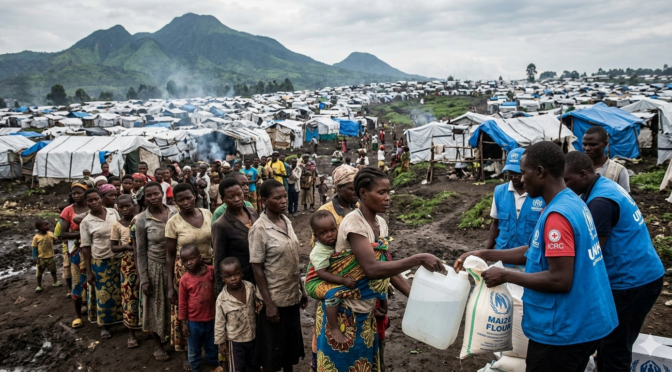
Shifting Global Supply Chains: A Case Study of Post-Pandemic Scenarios

Posted on : May 5, 2025
Author : Lahari Bandyopadhyay

Supply-chain disruptions caused by the COVID-19 pandemic are of unparalleled magnitude because of a confluence of circumstances: a sudden spike in demand for certain products, unexpected changes in demand points, supply shortages, a logistical crisis, and an exceptionally rapid recovery in major economies—the COVID-19 pandemic has caused supply-chain disruptions of an unprecedented scale. The global supply chain that was impacted by the COVID-19 pandemic has yet to fully recover from the setbacks, which include delays and disruptions. All forms of production, distribution, and consumption were disrupted by national lockdowns, which slowed or even momentarily stopped the flow of raw materials and completed goods.

The pandemic has accelerated problems and vulnerabilities, but not necessarily created irreversible challenges or damage to the supply chains. Global supply chain reorganization opens up new opportunities for nations and areas to benefit from this realignment. South Asian economies stand a good chance of gaining some of this international attention, especially from businesses looking for labour-intensive, low-cost manufacturing alternatives to China. However, in order for South Asian nations to benefit from this restructure as a group, they would need to think about significant reform, regional harmonization, and the removal of policy obstacles. The centripetal force in global supply chains is China, given its dominance in global manufacturing and its position as the world’s largest supplier of key raw materials and intermediate inputs. But one of the main pillars of continuous efforts to realign global supply networks is the “China Plus One” approach, whereby companies have aimed to diversify their supply chains in order to reduce the risks associated with depending solely on China.

A survey conducted by Ernst & Young LLP (EY US) conducted in September, 2022, gave some findings on the global supply chains and the respondents were primarily senior supply chain executives. The survey found that enterprises plan to shake up their supply chain strategies to become more resilient, sustainable, and collaborative with customers, suppliers, and other stakeholders. To do that, they will increase investment in supply chain technologies like AI and analytics, robotic process automation, and control towers while retraining workers. Initially, the pandemic had substantial negative effects on supply chains. 57% were impacted by serious disruptions, and 72% said they had a negative impact. However, 92% of them continued to invest in technology during the COVID-19 pandemic. This demonstrates how beneficial a digital supply chain is for assisting businesses in navigating disruptive forces and reacting more quickly to fluctuations in supply and demand. Within the South Asian region, India has been a key player and an active participant in global supply chain networks through backward and forward linkages. With a global share of 1.9 percent in 2021, it is responsible for the vast majority of South Asia’s exports of intermediate goods.

There were some clear winners by industry during the pandemic. These businesses were primarily in the life sciences industry, and some life sciences businesses were also forced by the pandemic to intensify their efforts in developing vital new goods, such COVID-19 testing or vaccines. Some sectors were hit particularly hard, however. Among survey respondents, all automotive and nearly all (97%) industrial products companies said the pandemic has had a negative effect on them. In addition, 47% of all companies reported the pandemic disrupted their workforce. Many workers were asked to work from home, but others, particularly those in factories, had to adjust to new regulations requiring greater personal protective equipment (PPE), contact tracking, and physical distance. To lessen worker exposure to COVID-19 in labor-intensive industries, industrial products and high-tech manufacturing businesses are heavily investing in technology.

Least Developed Countries (LDCs) experienced a substantial decline in manufacturing exports during the pandemic. For instance, Bangladesh, where manufacturing accounts for over 95% of exports, saw a 30% reduction in orders, with brands paying approximately 10–12% less for the same products compared to the previous year. In Tanzania, the lead time for imported health commodities doubled during the pandemic—from one month to two months—due to decreased shipping activities and customs delays. As of April 2020, only 17% of individuals on the African continent were fully vaccinated, compared to 59% globally. Nevertheless, the interruption has had some benefits. For instance, the supply chain received much-needed funding for technical skills like resilience and real-time visibility, as well as a voice at last. The pandemic also forced supply chains to develop new agility to carry forward. And as a result, a high-performing supply chain is now perceived as a competitive necessity.

According to the World Economic Forum, supply chains have changed in the following ways-

1) Business continuity more important than cost- Before the pandemic, cost reduction and productivity enhancement were driving supply chain process improvements, digitization and investment. These factors are still crucial, but the extraordinary instability brought on by COVID endangered many businesses’ ability to compete and even their ability to survive as they discovered they could no longer satisfy their customers.

2) Buyer-supplier relation has been altered- Original equipment manufacturers (OEMs) and suppliers have formed new partnerships and joint development projects in several industries as a result of the breakdown of vital supply chain connections. More generally, it is acknowledged that without the willingness of customers, suppliers, and other stakeholders throughout a value chain to cooperate and exchange data, resilience is unachievable.

3) Supply chain workarounds are now standard- Courageous businesses are purchasing warehouses because they don’t want to wait for supply lines to straighten out. Companies that are unable to make reservations with ocean carriers are chartering vessels, shippers who are unable to locate containers are building their own, and those who are dissatisfied with their online sales are purchasing e-commerce fulfillment operations.

Persistent and diverse labour shortages have characterized the last five years. According to the International Labour Organization, the Asia-Pacific region itself experienced an estimated loss of 81 million jobs due to the pandemic. The impact of labour shortages has manifested in several key ways:

• Emphasis on Workforce Resilience: Companies are now developing strategies to build a more resilient, flexible and adaptable workforce, including cross-training and contingency planning to mitigate the impact of future disruptions.

• Intensified Talent Acquisition and Training: Due to ongoing labor shortages, especially in skilled positions, businesses are making significant investments in hiring and training new employees.

• Rising Labor Costs: Labor shortages, coupled with inflation and heightened competition for skilled workers, have led to a significant increase in salaries.

CONCLUSION

It may be safe to assume that because of COVID-19 pandemic, companies put their sustainability goals on hold in order to manage through the pandemic. Conversely, according to the 2022 survey, 80% of respondents are more concerned with environmental and sustainable growth issues. The main drivers for enhancing supply chain sustainability were cost reductions, adherence to regulations, and pressure from suppliers and employees. Sustainable supply chain practices are undoubtedly here to stay, as evidenced by the growing demand for sustainability from customers and the desire of employees to work for companies that have sustainability ingrained in their mission statement. The Global South has taken more deliberate steps to make supply chains resilient and ecologically sustainable. The pandemic highlighted vulnerabilities in global trade, overreliance on imports, and the environmental costs of long, carbon-intensive supply chains. In response, many countries in the Global South have adopted policies, technologies, and partnerships aimed at making supply chains greener and more inclusive.

References:

1) Harapko, S. (2023). How Covid-19 impacted supply chains and what comes next. EY. https://www.ey.com/en_us/insights/supply-chain/how-covid-19-impacted-supply-chains-and-what-comes-next

2) Sultan, T. (2022). 5 ways the Covid-19 pandemic has changed the supply chain. World Economic Forum. https://www.weforum.org/stories/2022/01/5-ways-the-covid-19-pandemic-has-changed-the-supply-chain/

3) Strouther, D. (2025). 5 years later: 3 things Covid-19 changed in supply chain and 2 it didn’t. BlueYonder. https://blog.blueyonder.com/5-years-later-3-things-covid-19-changed-in-supply-chain-and-2-it-didnt/

4) Singh, S. (2025). Can South Asia capitalise on global supply chain restructuring? South Asian Voices. https://southasianvoices.org/ec-m-in-n-south-asia-global-supply-chain-restructuring-03-20-2025/

Lahari Bandyopadhyay

Intern, Asia in Global Affairs

The views and opinions expressed in this book review are those of the author and do not necessarily reflect the official policy or position of Asia in Global Affairs. The review is intended for academic and informational purposes only. It is not an endorsement of any particular viewpoint, nor is it intended to malign any individual, group, organization, company, or government

/ Shifting Global Supply Chains: A Case Study of Post-Pandemic Scenarios

Why India Never Turned to Green Politics

Posted on : April 7, 2025
Author : Allen David Simon

‘Environmentalism’ denotes a praxis, both a concept and a practice. Environmentalism locates an eco-centric reality, and unlike other isms, environmentalism calls for an urgency of action against global environmental degradation. This distinction makes environmentalism not solely an approach and/or an ideology, but necessarily an activity seeking change, space and agency in the public and policy (Wainwright, 2022).  While it may be more direct to hypothesize that in India’s prismatic society, divided between the  material “political” and the post-material “civil” society, green politics upholds tenants which run as parallel perianal elements of both legal constitutionalism and political discourses, be it of Gandhian non-violence and participatory democracy, Ambedkarite social justice, or Nehruvian pluralism.


While one may consider Partha Chatterjee’s “political society” (Bhattacharyya, 2021) to bear disinterest against bread-and-butter issues; the numerous environmental movements in post-colonial India has witnessed participation from varied sections of society. The Chipko Movement against commercial deforestation was initiated by rural women, while the Narmada Bachao Andolan was primarily led by tribals. As against the complete NGOization of most post-material issues (like gender equity), environmental movements in Indian have not been professionalized or made technocratic. Most of these movements have been against the uncaring nature of development that have emerged as a result of state reliance on the market/corporates to drive progress post-1991. These resistances garner mass attention when they spawn, however gradually fizzling down as demands are either negotiated or accommodated, not resulting in any prolonged political impact, electorally or ideologically. Yet, even as we see no political party with environmentalism at the forefront gain mass electoral traction, parties have evoked environmental issues (like land rights in the Singur movement by the AITC, or access to clean drinking water by parties in Delhi) from time to time, catering to specific segments of population and local demands. Moreover, such issues are not presented as environmental issues but issues of poverty, injustice and governance.


Thus, environmental movements in India have been erratic and sporadic – neither sustained overtime nor pan-country. Even as environmental movements have been a historic part of Hindu animistic culture and the practice of totems (like the Bishnoi movement in the 18th century CE), none have been a vociferous movement for environmental actions but targeted towards more localized issues of land rights, cultural beliefs, displacements for development, livelihood (like the Chipko Movement 1973, Appiko Movement 1983 or Narmada Bachao Andolan 1985) or conservation (like the Silent Valley Movement 1973-86) (Aiyadurai, 2024). This is dissimilar to other movements in India. Be it the Indian against Corruption movement that metamorphosized into the Aam Aadmi Party in 2012, caste mobilization that inevitably result in clientelist parties (e.g. BSP) or linguistic ‘asmita’ movements that have resulted in regional parties like the Shiv Sena’s Maratha sons of the soil movement. This is consistent with Asian environmental movements. While such movements have led to sporadic mass movements and resulted in political formations, none of these have been able to secure electoral success as single-issue parties.


Aiyadurai in “Why politics in India do not rally for environmental issues” argues that while developed post-material societies place environmental issues in political forefront, in a society “struggling to meet their daily needs,” environmental issues are secondary, with economic development and welfare as more effectively causes for mobilization, and environmental risks thought of as appropriate cost for progress and opportunity. The electorate finds tangible issues like employment more relatable, direct and proximate to daily life, as against environmental degradation which is a gradual but progressively harmful phenomenon. He argues that the environmental discourse in India needs to harp on the need for environmentalism both as a collective and individual necessity – for sustainable society as well as individual health and human security. Environmental security  suffers from the  intangibility of its benefits, as compared to the tangible promises of economic development (in terms of infrastructure and the statistics of jobs created, investments attracted, etc.).


Moreover, the climate crisis is especially acute in India due to the asymmetric nature of its impact on communities. While privileged classes have greater access to support systems to mitigate against the environmental degradation, the lower strata of the social hierarchies like caste, and marginalized groups like ‘dalits, ’ the poor, tribal populations, etc., are more vulnerable to the climate crisis. However, Lahiri in “Green Politics and the Indian Middle Class” contends that it is the middle-class in India which both has “reasonable” level of education, information dissemination, income and social capital to encourage environmental issues in politics in its “opinionmaker” role (Lahiri, 2015).  However, this argument assumes against Gramsci’s differentiation in the entrenchment of the civil society (Buttigieg, 1995). Gramsci considers the consolidation of the civil society to be a cumulative and gradual process rather than a dramatic process. Although the Indian middle class is an aspirational status, it is a class that outspends and exists in ‘superficial poverty.’ Moreover, the Indian middle-class is numerically miniature to be considered a politically relevant electorate. Thus, the middle class cannot be the sole sanction behind green politics  in the Indian context (Fernandes, 2000).


While there has been a rapid emergence of new green parties in India in the past decade, these have been capsized by limited electoral success (Bhushan, 2024). Even as India’s party-dominated election cycles in a multi-party framework with first-past-the-poll voting discriminates against fringe parties, green parties, as a single-issue party has rarely occupied significant representative numbers to hold government (except for the Greens in Germany), mostly acting as parties of pressure. Green parties also suffer from the disadvantage of expanding number of centrist de-ideologized big-tent parties and post-globalization policy convergence in the global south (Drezner, 2001).


However, there is a need to add another dimension to Aiyadurai’s unidirectional argument. Yes, environmentalism has not achieved electoral success in Indian, at least not in form of green parties. But, does politicization of environmental protection necessarily indicate a social consensus over the need for climate action? Further, do these societies necessarily see an expansion of environmental-friendly policies for sustainable development?  A solid counterfactual can be spotted in the case of green politics in USA, where the left has coopted environmentalism and the right has denied science to refute climate action as “conspiracy,” polarizing a factual issue into a completely politicized matter of opinion and partisanship (de Nadal, 2024: Thapa Magar et al, 2024). While this line of argument may be accused of counterphobia, the value judgement latent in the query over “why” no green party has seen electoral success in India. What merits more scrutiny is does it necessarily redact environmentalism as a concern or a practice? Since we have already established that environmentalism is not only a concept but also a practice, greater consideration on the topic should be whether its absence as an ideology demerit its practice as a whole.


References

Aiyadurai, A. (2024, April 22). Why politics in India do not rally for environmental issues. Heinrich Böll Foundation. https://in.boell.org/en/2024/04/22/why-politics-india-do-not-rally-environmental-issues

Bhalla, R. (2022). Environmental movement in India. Journal of Research in Environmental and Earth Sciences, 8(2), 12-17. https://www.questjournals.org/jrees/papers/vol8-issue2/C08021217.pdf

Bhattacharyya, H. (2021). Partha Chatterjee’s concepts of civil society and ‘uncivil’ political society: Is the distinction valid? Journal of Civil Society17(1), 18–33. https://doi.org/10.1080/17448689.2021.1886759

Bhushan, R. (2024, March 28). India: No country for a Green Party? The New Indian Express. https://www.newindianexpress.com/web-only/2024/Mar/28/india-no-country-for-a-green-party

Buttigieg, J. A. (1995). Gramsci on Civil Society. Boundary 2, 22(3), 1–32. https://doi.org/10.2307/303721

de Nadal, L. (2024). From Denial to the Culture Wars: A Study of Climate Misinformation on YouTube. Environmental Communication18(8), 1186–1203. https://doi.org/10.1080/17524032.2024.2363861

Drezner, D. W. (2001). Globalization and Policy Convergence. International Studies Review, 3(1), 53–78. http://www.jstor.org/stable/3186512

Fernandes, L. (2000). Restructuring the new middle class in liberalizing India. Comparative Studies of South Asia, Africa and the Middle East, 20(1-2), 88–112. https://doi.org/10.1215/1089201X-20-1-2-88

Lahiri, A. K. (2015). Green Politics and the Indian Middle Class. Economic and Political Weekly, 50(43), 35–42. https://www.epw.in/journal/2015/43/perspectives/green-politics-and-indian-middle-class.html

Thapa Magar, N., Thapa, B. J., & Li, Y. (2024). Climate Change Misinformation in the United States: An Actor–Network Analysis. Journalism and Media5(2), 595-613. https://doi.org/10.3390/journalmedia5020040

Urfi, A. J. (2021, March 17). The origins of India’s environment movement. Nature India. https://www.nature.com/articles/nindia.2021.40

Wainwright, J. (2022). Praxis. Rethinking Marxism34(1), 41–62. https://doi.org/10.1080/08935696.2022.2026749


Picture courtesy of Bhushan, R. (2024, March 28). India: No country for a Green Party? The New Indian Express. https://www.newindianexpress.com/web-only/2024/Mar/28/india-no-country-for-a-green-party


Allen David Simon

Intern, Asia in Global Affairs


The views and opinions expressed in this book review are those of the author and do not necessarily reflect the official policy or position of Asia in Global Affairs. The review is intended for academic and informational purposes only. It is not an endorsement of any particular viewpoint, nor is it intended to malign any individual, group, organization, company, or government

/ Why India Never Turned to Green Politics

Ecologies of dispossession

Posted on : April 2, 2025
Author : Rik Bhattacharya

Vizhinjam International Seaport. November 2023. Sourced from: The Indian Express

Ever since the Vizhinjam port project near Thiruvananthapuram, Kerala, commenced construction in December 2015, the ongoing ecological debates surrounding its green impact have gained traction over a decade, with both vociferous proponents and determined opponents. The scales are heavily tipped in favour of the former side on account of the Public Private Partnership component, operating on a DBFOT basis, the twin axis of the state and circuits of international finance capital being involved in the making of the seaport. Essentially a Government of Kerala undertaking, the Vizhinjam International Seaport(VIS) is now eyeing for global stature, with ambitions to transform the maritime trade of the state (Kumar, 2025).


VIS is being built primarily as a deep sea transhipment port, its locational niche possibly engendering it a prime positional importance in the international shipping routes connecting Europe, Middle Asia and South-east Asia. Thus, besides being sponsored by finance capital, VIS, once operational, will facilitate and engender a prime position in the global flow of capital. Having established this, the unique case that qualifies VIS as a lone case study is the fundamental contradiction it has been unable to solve- despite severe continuing environmental opposition on account of the ecological destruction its construction and operation will cause, the state and private interests have to project it as being a balancing act of being both ecologically sustainable and essential for the nation’s development and progress.


Initiated by the state, the major part of the project being developed under the auspices of the Communist Party of India (Marxist) (CPIM), which holds office in Kerala since 2016, and financed and executed by private capital, the project is representative of wider patterns of developmental regimes characterised by accumulation by dispossession under neo-liberal auspices (Harvey, 2014: 145-52) wherein the large-scale displacement of people are subsumed under interests of national technocratic development. However, the dispossession also results in praxis of popular resistance by those that bear the brunt of the state-capital nexus (Guha, 2015). This article examines how the mechanisms of capital have dispossessed the local fishing communities in Vizhinjam, and how popular resistance to this developmental regime of displacement have constituted their praxis on the grounds of marine ecology- qualifying it as a study of political ecology, where the non-human component is implicitly foregrounded to make concrete the claims of the anthropocene.


The construction of the port project, locals allege, have wreaked havoc on the coastal economy due to continuous erosion. The environmental danger has also impacted infrastructure and connectivity- running parallel to the Shanghumukham beach, the lone road which connects Kerala’s capital Thiruvananthapuram with its domestic airport has been washed away in places, leading to bureaucratic headache besides extreme transport precarity. The tourist industry has had to be curbed, while religious rituals dependent on access to the beaches have had to be significantly rerouted (Shaji, 2019). For the purposes of the present article, the group most disproportionately affected by such environmental repercussions are the local fishing communities.


The Government of Kerala, which had initially dismissed environmental concerns, is now reluctantly admitting to the degrading ecological effects, but subsuming it under the grander rhetoric of technocratic, and by extension, national interest (Shaji, 2019). Scientific studies show that the project bears several social and environmental costs on marine ecology that have a decisive impact on the lives of the fishers (Joseph & Beegom, 2017). The rich and fragile marine ecosystem of the region bears the brunt of the effects of the marine-side construction and operation of the port- dredging, construction of breakwaters and cargo berths, to name a few. Such activities would naturally impact the seawater quality and the congruent marine ecosystem (Hindu, 2016).  The port project is likely to have an adverse impact on the lives and livelihood of the fishers of Vizhinjam as well as of nearby coastal villages due to land acquisition and congruent dispossession, several findings indicate (L&T– Rambøll, 2013; Kerala Sastra Sahitya Parishad, 2015).

Fishers and citizens during their protest against the port development project at Vizhinjam, in Thiruvananthapuram. 2022.  Sourced from: The Hindu

Fishers and citizens during their protest against the port development project at Vizhinjam, in Thiruvananthapuram. 2022. Sourced from: The Hindu

The port project has consequently generated resistance on the part of the dispossessed and threatened local fishing communities. Such resistance of the fisherfolk has been largely led by the Catholic Church, which in itself as a focal point of competing interests, has generated multiple fissures along the axis of class and hence, multiple kinds of discourses surrounding the material benefits the project will accrue, resulting a fractured and often diffused response by the various actors (Ashni & Santosh, 2019: 193-98). The most noted response occurred during August 2022, when the protesting fisherfolk, led by the Latin Archdiocese, Thiruvananthapuram, protested against the under-construction port. The resistance was organised on the grounds of marine ecology, with the fishing communities alleging that the construction of the port has accelerated soil erosion along the beaches, leading to the forced rehabilitation of 300 families due to high-intensity coastal erosion.


The protesters demanded a comprehensive rehabilitation package, an assured minimum wage when the sea turns rough due to inclement weather and subsidised kerosene for boats. On the contrary, the Kerala Government made it clear that since the coastal erosion is due to climate change as reported by various agencies, the demand for stopping the port construction cannot be conceded (Kallungal, 2022). But even such resistance has limits- fear of being labelled as anti-national for holding up the nation’s ‘progress’ has often imposed certain psychological and organisational constraints in the minds of the affected protesting populace (Ashni & Santosh, 2019: 187).


Thus, the Vizhinjam port project, while being representative of neoliberal regimes of accumulation by dispossession, is also an example of twin ecologies- a capital ecology which rests on an ecology of dispossession. It is also remarkable how the state-capital nexus has continued to facilitate the construction of the project, albeit tentatively commercially operational in the first phase since December 2024, and even more ironic when situated in the state’s contemporary structural ideological interventions.


References:

  1. Ashni, A. L., & Santhosh, R. (2019). Catholic Church, fishers and negotiating development: A study on the Vizhinjam port project. Review of Development and Change, 24(2), 187-204.
  2. Harvey, D. (2005). The New Imperialism. United Kingdom: OUP Oxford.
  3. Simon, S. (2021, July 28). Vizhinjam port turning into an eco disaster. Indian Express.
  4. Kumar, V.S. (2025, February 23). Vizhinjam port vies for global stature. The Hindu
  5. Guha, S. B. (2015). Accumulation and Dispossession: Contradictions of Growth and Development in Contemporary India in India and the Age of Crisis The Local Politics of Global Economic and Ecological Fragility (pp. 165–179). Routledge .
  6. Shaji, K. A. (2019, August 20). Is the Deep Water Sea Project in Kerala an environmental and livelihood threat?. Mongabay. https://india.mongabay.com/2019/08/is-the-vizhinjam-port-in-kerala-an-environmental-and-livelihood-threat/
  7. Kallungal, D (2022, December 5). Why are the fisherfolk demanding to stop the construction of Vizhinjam port project. The Hindu
  8. Kerala Sastra Sahitya Parishad. (2015, December 1). Abandon Vizhinjam Port Project [Press Release].
  9. Joseph, A., & Beegom, B. (2017). Discourse on development, displacement and livelihood impact on fisherwomen at international deepwater multipurpose seaport. IOSR Journal of Humanities and Social Science, 22(8), 37–41
  10. L&T–Rambøll(2013). Comprehensive EIA for Vizhinjam international deepwater multipurpose seaport.


Rik Bhattacharya

Intern, Asia in Global Affairs


The views and opinions expressed in this book review are those of the author and do not necessarily reflect the official policy or position of Asia in Global Affairs. The review is intended for academic and informational purposes only. It is not an endorsement of any particular viewpoint, nor is it intended to malign any individual, group, organization, company, or government


/ Ecologies of dispossession

Wired Cultures : Unravelling The Shades of Cultural Connectivity

Posted on : November 28, 2024
Author : Saranya Chattopadhyay

“Connectivity Painting” Elliot Morgan, United States Painting, Ink on Paper, Size : 44.5 W x 64.3 H x 0.3 D cm

In the delicate strokes of a painter’s brush, where every brush stroke whispers the tale of ancient rituals and model aspirations, cultural connectivity unfolds itself like a vibrant canvas blending the hues of traditions into a masterpiece of shared human experience. Before understanding its nature and discerning its epochal contributions, we have to know about its actual meaning in this context.

The word connectivity derives from the noun “connect”, which came from a Latin word “connectere”, which means to tie together. It represents the quality of being connected or joined together. Connectivity in this context is referred to the nature, processes, and the nodes of connection, including physical infrastructure, transportation, social interaction, and cultural exchange. The cultural connectivity or the cultural aspect of connectivity specifically emphasizes the interaction and exchange of the cultural elements between different groups or societies. It should be kept in mind that we cannot or dare not confine its cultural aspect in a near-tight compartment from the rest of its aspect.

Trade is one of the most important factors contributing to the roots of cultural connectivity. The silk trade not only connected China with the regions of Europe, but via the routes explored their own cultural tradition and heritage, leading to the cultural diffusion by furthering the process of hybridization. Indian-Oman relation primarily started with trade, and its connection can be traced back to 3000 BC between the Harappa and Mahenjadaro of Indus Valley civilization with the civilization of Majan, which is known as the modern day Sultanate of Oman. The Harappan pots were found in Ras al- Jinz and Ras al- Hadd of Oman, which serves as an epochal evidence of the earliest cultural exchange as a part of the connectivity. Soon the coast of Malabar, the parts of Kerala, adopted some of their practices and long-standing customs as a part of the larger Arab world. The Mapillas, a hybrid community from Malabar, was formed through courses of intermarriage and continuous cultural exchange between the Arabs and the people of Malabar. They contributed to several different art forms and oral literature of that specific geographical area, which gradually with the verdicts of time penetrated into the ethereal beauty of Indian culture. Many words that captures the heart of our vocabularies, and used while performing our daily activities, have their roots in Arabic words. For instance the words like “mausam”, ”bazar”, “diwan”, that we use everyday have it’s roots in Arabic language. Our favourite dishes and cuisines, like Biriyani or wide varieties of Kebabs are also sourced from Middle East. Their plethora of music and multitude of architectural styles, tremendously influenced the Indian art forms and literature.

It Is very much clear, from the above that “Cultural Connectivity” as a concept has been fundamental to the human societies and it’s progressive civilizations, though the all inclusive systematic study have become increasingly important in the contemporary times with the advent of globalization and advancement in the field of technology. In recent times, cultural connectivity is characterized by interconnectedness across the cultures via global, digital or local platforms. José van Dijck in her book, “The Culture of Connectivity” emphasized on the significant impacts of social media on our indigenous cultures and own sense of identity. For instance, social media platform like Facebook, Instagram, facilitates instantaneous communication between the individual personalities and their culture worldwide. The viral memes or trends rapidly emanating across the continents, influencing the youth and the societal norms in specific cultural framework. Through upholding the so called cultural chain of digital ecosystem with the conscious effort of “appliancization”, it indeed tries to rebuild a balance system , which accordance to Dijck is a” balancing act between stimulating users’ activity and exploiting it”. Though it surely aspires to criticise it’s negative impact, it’s intensity is bit low in comparison with other contemporaries on this subject matter. The impact of digital hyper connectivity on our culture has been criticized by Michael P. Lynch in his book, “The Internet of us”, which promises to effectively revolutionize our own identity in an era of “knowing more and understanding less” with the modified conception of individuals personality and it’s dynamics.

The evaluation of impacts of digital connectivity on our culture, surely includes both sides. Its positive impacts include the cultural exchange by sharing of ideas, tradition, art, language, values, and expressions across the geographical boundaries. Secondly, it enhances the global awareness and understanding it with the help of the accessed information. Thirdly it focuses on the preservation of the cultural heritage and also a place for cultural innovation, and collaboration. It’s negative impact mainly includes the erosion of local culture and tradition, loss of privacy, digital dependence, and isolation and sometimes also a source of misinformation. It could be possibly viewed that, all the above mentioned negative impacts are not a product of connectivity, rather a synthesis of “hyper-connectivity”.
We should recall what Lous Lange said , “Technology is a useful servant but a dangerous master”. We hope that we will be able to manage harnessing connectivity, for fostering all inclusive and culturally vibrant societies, to fuel the unity of mankind for it’s urge of equality and ,what Swami Vivekananda would say, the universal culture of brotherhood. By celebrating the fest of globalization, we are promoting the cultural connectivity. It can be accurately defined in the words of Tagore, “I met you in a place, where you touched the world” (বিশ্বসাথে যোগে যেথায় বিহারো/
সেইখানে যোগ তোমার সাথে আমারও॥)”

The next generation of wireless connectivity: Demystifying Wi Fi 6, telecomreview.com

List of references
1. Smith, John D., and Amy B. Johnson. “The Impact of Cultural Connectivity on Global Awareness.” *Journal of Cultural Studies*, vol. 15, no. 2, 2020, pp. 45-60.
2. Dijck Van José, “The Culture of Connectivity: A critical history of social media”, Oxford University Press, 2013,pp. 45
3. Lynch P. Michael ,”The Internet of Us: Knowing More and Understanding Less in the Age of Big Data”, Liveright Publishers, 2016, pp. 82
4. Wilcox, Hui N. (20 October 2015). “Review of The Culture of Connectivity”. The Information Society. 31 (5): 414–415.

Saranya Chattopadhyay
Intern, Asia in Global Affairs

The views, thoughts, and opinions expressed in the text belong solely to the author, in his personal capacity. It does not reflect the policies and perspectives of Asia in Global Affairs.

/ Wired Cultures : Unravelling The Shades of Cultural Connectivity

The Chinese Trojan Horse

Posted on : November 14, 2024
Author : Supratim Halder

The Belt and Road Initiative (BRI), initially known as the One Belt, One Road (OBOR) initiative, is the prime diplomatic tool introduced by current Chinese supremo Xi Jinping back in 2013 with an ambition of making China “assertive” in global affairs. The BRI aspired to rejuvenate the ancient Silk Route, as the BRI has connected various nations throughout the Eastern Hemisphere in order for multiple trade links between these nations, as well as to reduce the trade costs. However, as years have passed, the Chinese BRI project has been accused of its intentions as it has been significantly used by the Chinese as their hard-power, having pushed various nations to a “debt-trap” and subsequently gaining political control over the national governments. Although some scholars are of the opinion that BRI has done more good than bad, this article essentially looks into some of its negative aspects.


Differentiating  Neocolonialism and “Chinese Neocolonialism”

Even though the term “neocolonialism” was first termed by Kwarme Nkrumah in 1965, the term has undergone several changes in its meaning and application and we find the recent update of this concept from Braidotti and Hlavajova (2018). It is described as the process through which the colonial dynamics of economic and territorial domination are revived from a distance, in more diffuse ways exercised through the supremacy of one state over the another. (Braidotti and Hlavajova, 2018). As Nkrumah had pointed out dominance is exercised by economic, military or technological means, and that despite being theoretically independent States with national sovereignty, the policies and decisions of the neocolonial States, as well as their defense, continued being under the command of a superior force that exercises power (Nkrumah, 1965).
Some scholars have refuted the branding of China as a neocoloniser, arguing that BRI has contributed to the world economy and has reduced trade costs between various developing and underdeveloped nations, as China didn’t involve itself in unilateral exploitation, unlike the early modern colonial powers . This allegation has also been refuted by Chinese Prime Minister Wen Jiabo who said that the hat of neocolonialism doesn’t fit for China as China has been a victim of colonial aggression following the Opium War of 1840 and knows well the suffering from a colonial rule. Thus, differentiating from Nkruma’s version of “neocolonialism”, a separate term named “Chinese neocolonialism” has emerged to describe the dominance exerted by China over various nations through their BRI project.

The term “Chinese neocolonialism” highlights how China is expanding its economic and political influence over the world, and thus this term eliminates the ambiguity the term “neocolonialism” had to describe the Chinese ambitions. Therefore, the term will be used to describe the strategy of the “assertive China” under Xi Jinping and their politico-economic growth in the developing world.


Application of the Chinese Neocolonialism

 It is important to elucidate the importance of the BRI project, China’s expansionist tendencies, and the Asian Infrastructure Investment Bank (AIIB) to finance investment in infrastructure in various nations. Hence, their motto is to grant large investments to other nations to build roads, ports, airports and other cooperative projects to promote economic growth. (CSIS | China Power, 2021).


Another key aspect in which Chinese neocolonialism differs from neocolonialism is the model it uses. For China, the BRI is more about exporting its economic model to the developing world. And since China is restricted by various regional laws and the World Trade Organisation (WTO), the facade of economic dominance perpetrated by China requires a different lens of evaluation.


Key Components of Chinese Neocolonialism


Components

Empirical Indicators
“Debt Trap Diplomacy” Giving massive loans to developing nations on often unfavourable terms, which can cause a debt crisis and possibly result in the loss of control over strategic assets, a point where China exploits to gain more control over a region
Economic Expansion Financing of infrastructure projects, purchase of natural resources and creation of economic ties.
Political Influence Interfering in domestic affairs and using multilateral institutions to further Chinese goals.
Military Expansion Increased military presence in the regions and establishment of bases in vital areas, such as the Indian Ocean Region (IOR) or South China Sea.

In short, the policy of “Chinese neocolonialism” stands out because it places a strong emphasis on infrastructure investment, the export of its economic development model, and geopolitical rivalry with other global powers. So, it is legitimate to use the term “Chinese neocolonialism” to characterize this tactic due to these particular characteristics.


“Smart Power”: The Guidance to Chinese Neocolonialism


The term “smart power” is relatively new in the academic context, being first used by Suzanne Nossel and developed by the realist scholar Joseph Nye (Nye, 2011, p.23). The term refers to a nation’s ability to use its power in various forms of power, which includes its hard power, soft power and diplomatic powers, intertwined to achieve their national interest. (Alagoz, 2019).


Thus, the Chinese application of smart power rests upon its clever tactics of debt trap diplomacy and fostering international cooperation, to conceal its aspirations as a hegemonic power. This has been supplemented with the usage of soft power, by making the Chinese propaganda media into action throughout the world and using its public diplomacy to promote China’s image in foreign regions through cultural events, sports and other exchanges. The Chinese have even participated through their hard power- by economic control over various companies across the globe which has enabled the Chinese to create an impact on domestic politics as well as engaged itself with various conflicts, particularly in the Sino-Indian borders and the South China Sea. The Chinese acquisition of Hambantota Port in Sri Lanka, Gwadar Port in Pakistan, the Standard Gauge Railway in Kenya are examples of how China has exercised its neocolonial tendencies, which were first meant to economically aid the developing world and support them in their infrastructural development but later have systematically captured those key strategic locations through the a debt trap, facilitated through the BRI and AIIB, utilizing the inability of the developing world to repay the outstanding debt.


References


  • Braidotti, R. & Hlavajova, M. (2018). “Posthuman Glossary”. London: Bloomsbury Publishing Plc
  • Nkrumah, K. (1965). “Neo-Colonialism: The Last Stage of Imperialism”. Thomas Nelson & Sons Ltd.
  • CSIS | China Power (2021). “Does China Dominate Global Investment?” China Power. Updated January 28, 2021. https://chinapower.csis.org/china-foreign-direct-investment/ [Accessed March 13, 2023]
  • Alagoz, E. A. (2019). “Creation of the Asian Infrastructure Investment Bank as a part of China’s smart power strategy”. The Pacific Review, 32:6, 951-971, DOI: 10.1080/09512748.2018.1519593


Supratim Halder

Intern, Asia in Global Affairs


The views, thoughts, and opinions expressed in the text belong solely to the author, in his personal capacity. It does not reflect the policies and perspectives of Asia in Global Affairs.


/ The Chinese Trojan Horse

Invisible Frontlines: Women’s Varied Role in War

Posted on : September 15, 2024
Author : Mahek Daima

When war breaks out the world’s attention turns to the men on the front lines. But what about the unseen women who remain behind, taking on multiple roles to ensure their families and communities survive? Where are these women? In traditional historical accounts of war, women’s roles are often invisible This paper explores the often-overlooked roles and experiences of women in war-torn regions, which challenges the conventional expectations. According to UN ,nearly eighty percent of the displaced population constitutes women and children facing threats of violence, exploitation, and severe scarcity of resources. These atrocities are not just statistics; they are stories of mothers, daughters, and sisters whose bodies have become battlegrounds in a war they did not choose. While traditional war accounts focus on the masculine narrative, this paper seeks to answer, “Where are the women in war?” by exploring the challenges faced by women in war-torn regions and their extraordinary contributions amidst brutality. This article uncovers the voices of women subjected to extreme wartime conditions. Through case studies of war zones in Asia, it investigates systemic sexual violence, exploitation, and societal marginalization endured by women in Japan, Afghanistan, and Cambodia, highlighting that war is a gendered phenomenon. Ultimately, this study advocates for reevaluating gender relations during and after conflicts, recognizing women not just as victims but survivors of the war and crucial agents of peace and rebuilding in the post conflict conditions.
Japan More than sixty years since World War II ended, yet the wounds of Japanese colonialism still fester in East and Southeast Asia. A tragic consequence for women in war zones is sexual violence, exemplified by the “comfort women” of WWII. During the war, Japan sought to improve troop performance by establishing government-mandated prostitution, hoping to reduce rapes and civilian killings. Few women volunteered, leading to the informal “selling” of daughters, kidnapping, and trafficking of women and girls. This paper explores their harrowing experiences, disclosing the impact of such brutal policies.


Comfort women in Japan

Comfort women in Japan

Women from Korea, China, the Philippines, and Japan were forcibly held in military brothels during WWII, facing systematic rape, physical abuse, and psychological torment. Many were deceived with false promises of employment or coerced through violence. Chinese and Korean women were particularly targeted, and Japanese women, being fewer in number, were considered more costly. After the war, to prevent sexual violence from American soldiers, the Japanese government set up the Recreation and Amusement Association. They recruited poor Japanese women promising food and shelter but later, they resorted to intimidation and coercion tactics.


Despite the closure of the association, rape cases increased under Allied occupation. Yi Sun-ok, a Korean comfort women’s survival story describes how a young girl’s desire and aspiration to become an independent “new woman” was shattered when her neighbor, Mr. O delivered her to a military brothel in Guangdong, southern China. The dichotomy of being celebrated as national heroes while engaging in such inhumane acts of sexual violence uncovers the complex and brutal nature of war towards women.


Afghanistan


Gender isn’t binary, it is a hierarchy. And In the last two and a half years after regaining power in Afghanistan, the first thing that the Taliban did was restore those very oppressive practices that robbed women of their rights, happiness and mobility. Mobility refers to the ability of individuals to move freely and access different places, resources, and opportunities within a society. It is essential for a woman to be able to move freely and confidently to claim her full rights as a human being. However, in the current Afghanistan, even identifying as a ‘woman’ is a crime. For the purpose of restricting women’s rights, mobility is the first right to go. Women are barred from traveling more than 70 kilometers without a mahram or a close male relative. They are mandated to wear a burqa which reveals only their eyes. They are not allowed to work in most sectors other than health and education, and that too with restrictions. Education is limited to primary school only. Secondary schools and universities remain a hopeless dream for most girls. Women are also severely restricted from public spaces in the country as they are not allowed in parks and gyms. Even beauty salons, one of the last women-only spaces, were banned by the Taliban in 2023.


The women-only spaces, salons are also banned:

The women-only spaces, salons are also banned:

Women were essentially invisible in public life and imprisoned in their own homes. In Kabul, residents were ordered to cover the Ground floor and 1st floor windows, so that the women inside could not be seen from the streets. If a woman left the house, it should be for a ‘legitimate’ purpose. From infancy, girls and women are under the authority of their fathers or husbands. Their freedom of movement is restricted since they are children and their choice of husbands, education and economic liberty are all denied. With nowhere to go, most married Afghan women are faced with the stark reality that they must endure abuse.

The response of governments and international organizations to this crisis, though, has been poor. But if the world can learn to live with the Taliban’s abuses, with the Afghan women being largely confined to their homes, losing their voice, their personhood, their education, their dreams, and contributions to their communities—then this is a brutal demonstration of how fragile the rights of women and girls are everywhere.


Signature: g0F9tNp8jankBwQiBDIKkx0R/kb1VoNxc+L/RRXqGiI8itQusndUq88fT7/FF1CCSI/5ckBVUZqHA3wKSD5VzhNrPwM3sfrDL7RI7Wh5lAcSCyUkQFypmVoP/qzP8jix6tJFv9fkcUcw/RlkXzx3ESgk2y9JiuwAbyE1xDoDWP8=

Cambodia

 Civil conflict erupted in Cambodia in the late 1960s and lasted 30 years due to the Cold War. The Cambodian revolutionary and politician, Pol Pot and his party, the Khmer Rouge seized power in 1975, committing genocide to enforce agricultural collectives. Post-1979, Vietnam-backed rulers faced resistance. Despite the Paris Peace Accords for disarmament and reconstruction, power struggles persisted, culminating in a coup in 1997.

Skulls of the people who died in the Cambodian genocide:

Skulls of the people who died in the Cambodian genocide:

Cambodian women faced immense socio-economic challenges during the country’s transition to peace. Despite the devastation caused by the Khmer Rouge and international embargo, women, who made up 60% of the population, including many widows and heads of households, played a crucial role. They embraced literacy programs, adopted orphans, and built cooperatives. However, only a few engaged in formal political participation as they were still recovering from economic hardships.

The 1991 Paris Peace Agreement restored political rights to Cambodian women, spurring their involvement in politics and advocacy through NGOs like Khemara. These organizations, dating back to the 1960s, tackled issues like domestic violence and women’s constitutional rights. While women gained access to the 1993 National Assembly and the Ministry of Women’s Affairs, their representation at local levels remained low, with only 10% elected in 1998.

Cambodian women advocating for peace at the grass-root post Cambodian genocide:

Cambodian women advocating for peace at the grass-root post Cambodian genocide:

This underrepresentation of women highlights deep societal issues, with women facing significant barriers in male-dominated roles due to cultural prejudices and discriminatory policies. Political parties often offer only token support for women’s rights. Despite these challenges, increased female political participation is fostering important discourse on social issues and gender equity in Cambodia. Other examples proving that women actively participated in the wars defying the “victim hood” associated with their conventional roles;


To conclude this article , I would briefly like to talk about the conditions of women in post war zones . If given proper opportunities, women can emerge and have emerged as a driving force for peace. Women play a key role in preserving order and normalcy in the midst of chaos and destruction of the war. Examples abound: Leymah Gbowee’s leadership in Liberia’s peace movement, Nepali women’s advocacy during the civil war, and the efforts of Filipino and Sri Lankan women in local peace initiatives proves the aforementioned statement. In Afghanistan, RAWA continues to advocate for women’s rights amidst ongoing conflict. Post war women contribute more than the government authorities and the international aid in reconciliation and reviving economy and social networking but despite their active role in promoting peace, women tend to fade into the background and are given very little opportunity to emerge as equal stakeholders in the rebuilding of the state . This also makes us understand how quickly patriarchy resurfaces after all the death and destruction, and still manages to marginalize women who are mainly powerless victims and are sidelined in the peace talks. These situations can be utilized as windows of opportunity during which gender relations should be rethought and rewritten. Women should be empowered during and post situations as they deserve a voice and because woman are not just victims, but survivors and fighters of war.

Examples proving how women participating in the post conflict situations is possible and beneficial :

Examples proving how women participating in the post conflict situations is possible and beneficial :

References:


Women and Wars: Contested Histories, Uncertain Futures by Carol Cohn

Women in peacekeeping : A key to Peace, United Nations, https://www.un.org/en/exhibits/page/women-peacekeeping-key-peace

The ComfortWomen : Sexual Violence and Postcolonial memory in Japan and South Korea by C Sarah Soh

Gender,  War and History by Laura Sjoberg


What Do Young Afghan Women Do? A glimpse into everyday life after the bans by Jelena Bjelica, AAN team https://www.afghanistan-analysts.org/en/reports/rights-freedom/what-do-young-afghan-women-do-a-glimpse-into-everyday-life-after-the-bans/


Mahek Daima

Intern Asia in Global Affairs


The views, thoughts, and opinions expressed in the text belong solely to the author, in his personal capacity. It does not reflect the policies and perspectives of Asia in Global Affairs.


/ Invisible Frontlines: Women’s Varied Role in War